In the realm of canine training, methods and philosophies have continually evolved, reflecting a deeper understanding of dog behavior and psychology. Among these methods, leash corrections have traditionally played a pivotal role, particularly in obedience and advanced training. However, as trainers and pet owners alike seek more humane and effective approaches, the necessity and appropriateness of leash corrections have come under scrutiny. This article delves into the current discourse surrounding leash corrections in advanced training, examining both traditional perspectives and modern alternatives. By exploring the efficacy, ethical considerations, and potential impacts on the dog-handler relationship, we aim to provide a comprehensive overview to guide trainers and dog owners in making informed decisions about their training practices.
Understanding the Role of Leash Corrections in Modern Training Techniques
In the realm of contemporary dog training, the concept of leash corrections has evolved significantly. Leash corrections are traditionally used as a method to communicate boundaries and discourage unwanted behaviors by applying a brief, gentle tug on the leash. Modern trainers, however, emphasize the importance of understanding when and how to use these corrections effectively, if at all. Here are some key considerations:
- Timing: The correction must be immediate to ensure the dog associates it with the specific behavior being corrected.
- Intensity: It should be mild enough to redirect attention without causing stress or fear.
- Consistency: Consistent application reinforces learning, helping the dog understand expectations clearly.
While some trainers advocate for purely positive reinforcement techniques, others argue that when used judiciously, leash corrections can be a valuable tool for advanced training. It’s crucial to balance these methods with positive reinforcement to ensure a holistic approach to training. This nuanced understanding helps to foster a respectful and effective communication channel between handler and dog, which is at the core of modern training philosophies.
Evaluating the Effectiveness of Positive Reinforcement Versus Leash Corrections
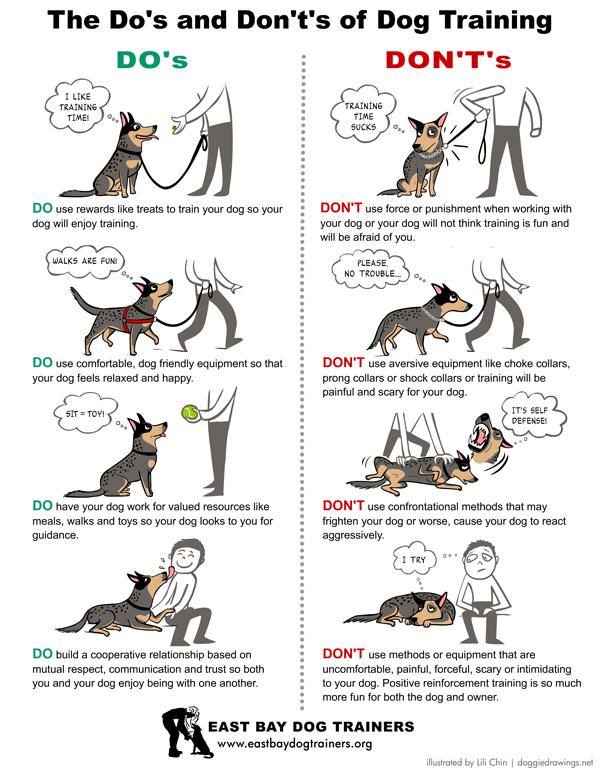
In the realm of dog training, the debate between using positive reinforcement and leash corrections continues to stir conversation among trainers and pet owners alike. Positive reinforcement focuses on rewarding desirable behavior, often using treats, praise, or play. This method encourages dogs to repeat actions that earn them a reward, fostering a cooperative learning environment. Conversely, leash corrections, a more traditional approach, involve using a quick, corrective tug on the leash to discourage unwanted behavior. While effective in some cases, this method may not be suitable for every dog, particularly those with anxiety or aggression issues.
- Positive Reinforcement:
- Encourages a trusting relationship between dog and owner.
- Promotes long-term behavioral change without fear or stress.
- Effective for a wide range of behaviors and training levels.
- Leash Corrections:
- Can provide immediate feedback and correction.
- May be useful for specific behavioral issues in controlled environments.
- Requires precise timing and skill to avoid confusion or fear.
While both methods have their merits, the effectiveness of each largely depends on the individual dog’s temperament and the handler’s expertise. Trainers often recommend a balanced approach, integrating both strategies when appropriate, to achieve the best results in advanced training scenarios.

Key Considerations for Implementing Leash Corrections in Advanced Training
When contemplating the integration of leash corrections in advanced dog training, it is essential to weigh several factors to ensure they are applied effectively and humanely. Understanding your dog’s temperament is crucial; some dogs may respond well to mild corrections, while others might become anxious or fearful. Additionally, the timing and intensity of the correction play a significant role in its effectiveness. A poorly timed correction can confuse your dog, while excessive force can harm the trust and bond between you and your canine companion.
- Consistency: Ensure that corrections are applied consistently to avoid mixed signals.
- Positive Reinforcement Balance: Complement leash corrections with positive reinforcement to encourage desired behaviors.
- Professional Guidance: Consult with a professional trainer to tailor the approach to your dog’s specific needs.
- Legal and Ethical Considerations: Be aware of local laws and ethical guidelines regarding leash corrections to avoid legal issues.

Expert Recommendations for Balancing Corrections and Rewards in Training Sessions
In advanced training sessions, finding the right balance between corrections and rewards is crucial to ensure effective learning and a positive experience for both the trainer and the dog. Expert trainers emphasize the importance of understanding each dog’s unique temperament and learning style, as these factors can significantly influence the effectiveness of training methods. Here are some key recommendations to consider:
- Individualized Approach: Tailor your corrections and rewards to fit the dog’s personality and behavior. What works for one dog may not work for another.
- Positive Reinforcement: Prioritize rewards over corrections. Reinforce desired behaviors with treats, praise, or play to encourage repetition.
- Timing is Everything: Ensure that both corrections and rewards are given immediately after the behavior to strengthen the association.
- Consistency: Be consistent in your approach to avoid confusion and help the dog understand what is expected.
- Minimize Corrections: Use leash corrections sparingly and only when absolutely necessary, focusing instead on teaching the desired behavior through positive means.
By adhering to these guidelines, trainers can effectively integrate corrections and rewards, creating a balanced training environment that fosters learning and strengthens the bond between dog and trainer.