Teaching your dog to behave calmly around guests is an essential skill for maintaining a harmonious household and ensuring positive interactions with visitors. While dogs are naturally social creatures, the excitement of new faces and unfamiliar scents can sometimes lead to overwhelming and unruly behavior. By implementing structured training techniques and consistent reinforcement, you can guide your furry friend towards exhibiting calm and controlled behavior in social settings. This article will provide step-by-step strategies to help your dog manage their excitement, creating a more relaxed environment for both your pet and your guests. Whether you’re a first-time dog owner or looking to refine your pet’s manners, these practical tips will support you in fostering a well-behaved companion.
Creating a Safe and Comfortable Environment for Your Dog
To ensure a serene atmosphere for your dog when guests arrive, start by creating a designated safe space. This could be a cozy corner with their favorite bed or blanket, where they can retreat if they feel overwhelmed. It’s essential to establish this area as a positive space by providing toys or treats when they go there voluntarily. Consistency is key, so make sure this spot remains undisturbed and accessible whenever visitors come over.
Training your dog to stay calm involves gradual desensitization and positive reinforcement. Consider these steps:
- Introduce guest-like scenarios: Start with familiar faces, gradually increasing the number of people over time.
- Practice basic commands: Reinforce commands like “sit” and “stay” before guests arrive, rewarding them for compliance.
- Use calming aids: Consider pheromone diffusers or calming treats to help ease anxiety during social gatherings.
By implementing these strategies, you foster a calm and confident demeanor in your dog, ensuring both your pet and your guests enjoy a stress-free interaction.
Understanding Your Dogs Triggers and Anxiety Signals
When striving to help your dog remain composed around guests, it’s crucial to identify what may trigger their anxiety and recognize the subtle signals they use to express it. Dogs communicate their discomfort in various ways, and being attentive to these cues can make a significant difference in how you address their needs. Common anxiety signals include:
- Excessive panting or drooling
- Pacing or restlessness
- Avoidance behaviors, such as hiding or cowering
- Growling or barking excessively
- Yawning or licking lips frequently
Understanding these signals allows you to preemptively manage situations that might cause stress. For instance, if your dog becomes anxious with unfamiliar faces, create a safe space where they can retreat and feel secure. Additionally, practicing calm and positive reinforcement techniques when guests arrive can gradually help your dog associate visitors with pleasant experiences. By patiently observing and responding to your dog’s signals, you foster an environment where they can thrive and behave more calmly during social interactions.
Effective Training Techniques to Encourage Calm Behavior
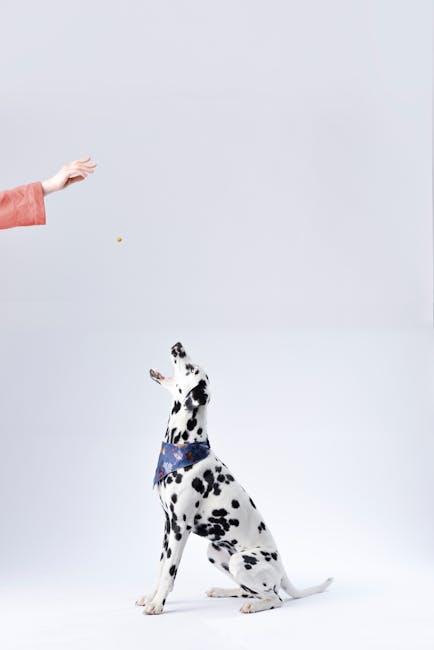
Creating a peaceful environment for your dog when guests arrive is a task that can be tackled with a few effective training techniques. Start by establishing a designated calm space for your dog. This could be a cozy corner with their favorite bed or blanket. Train your dog to retreat to this spot when visitors arrive, using positive reinforcement to associate this behavior with rewards. Consistency is key; practice this routine regularly, even when no guests are expected, to ensure your dog understands the expectation.
Incorporate desensitization exercises to gradually acclimate your dog to the presence of guests. Invite a friend over for short periods and reward your dog for maintaining calm behavior. Gradually increase the duration of these visits as your dog becomes more comfortable. Additionally, consider employing calming aids such as pheromone diffusers or calming collars, which can support relaxation. Remember to remain patient and avoid scolding; instead, focus on rewarding positive behavior to encourage a serene atmosphere.
Reinforcing Positive Behavior with Consistent Practice
One of the most effective ways to ensure your dog remains calm around guests is through consistent and deliberate practice. Start by creating a routine that incorporates calm behaviors in a controlled environment. Gradually introduce elements that simulate the presence of guests, such as doorbells or knocking sounds, while rewarding your dog for maintaining composure. This positive reinforcement helps establish a connection between calm behavior and pleasant outcomes.
- Consistency is Key: Regular practice sessions at various times of the day help reinforce the desired behavior.
- Use High-Value Rewards: Treats or toys that your dog finds irresistible can make training more effective.
- Gradual Exposure: Slowly increase the level of distraction by inviting one or two calm friends over before introducing larger groups.
- Stay Calm and Patient: Your demeanor will influence your dog’s reaction. Remaining calm and patient encourages your dog to do the same.