Training a dog to stop chasing small animals is a common challenge faced by many pet owners. This behavior, while instinctual, can lead to potential safety hazards for both the dog and the animals it pursues. Understanding the root of this instinct and employing effective training methods are crucial steps in addressing the issue. In this article, we will explore the best strategies to curb this behavior, focusing on techniques that prioritize the well-being of your dog while fostering a harmonious relationship with the environment. By following these methods, you can help your canine companion develop self-control and ensure a safer, more enjoyable outdoor experience for everyone involved.
Understanding Your Dogs Prey Drive and Its Triggers
Recognizing the inherent instincts in your furry friend is the first step toward effective training. A dog’s prey drive is a natural instinct that can be influenced by several factors, including breed, environment, and individual personality. Understanding these triggers can significantly aid in curbing their chasing tendencies. Common triggers might include:
- Movement: Fast-moving objects like squirrels or birds can easily attract your dog’s attention.
- Sounds: The rustling of leaves or the chirping of small animals may heighten their curiosity.
- Scent: Certain smells can trigger a dog’s tracking instincts, making them more likely to chase.
By identifying these triggers, you can work towards redirecting their focus and managing their impulses. This foundational understanding is crucial as you proceed with training methods designed to control and diminish your dog’s prey drive.

Implementing Positive Reinforcement Techniques for Effective Training
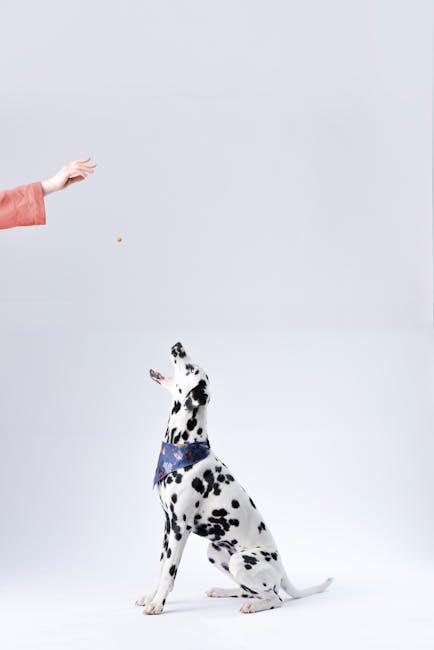
To effectively train your dog to stop chasing small animals, leveraging the power of positive reinforcement is crucial. This technique focuses on rewarding desired behaviors, thereby encouraging your dog to repeat them. Begin by identifying a reward that your dog finds irresistible, such as their favorite treat, a beloved toy, or verbal praise. When your dog successfully resists the urge to chase, immediately provide the reward. This immediate reinforcement helps establish a clear connection between the behavior and the reward.
- Consistency is key: Make sure to consistently reward the desired behavior every time it occurs.
- Gradual exposure: Start training in a controlled environment where distractions are minimal. Gradually introduce more challenging situations as your dog becomes more adept at resisting the chase impulse.
- Timing matters: Deliver the reward as soon as your dog demonstrates the correct behavior to strengthen the association.
- Use a cue word: Implement a specific command, like “leave it” or “stay,” that your dog can associate with not chasing.
Through patience and persistence, positive reinforcement can transform your dog’s behavior, helping them to remain calm and focused even when small animals are present.
Utilizing Distraction and Redirection Strategies to Manage Behavior
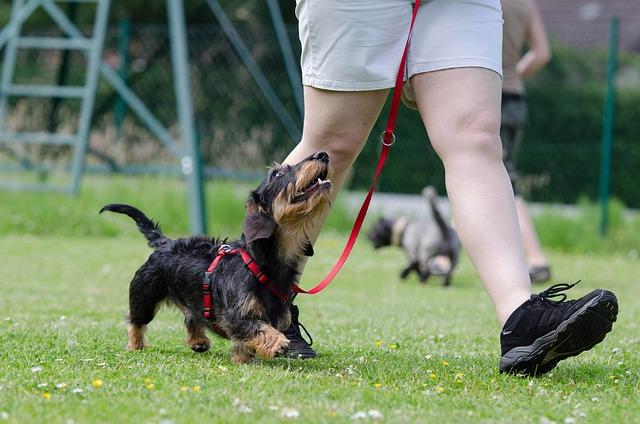
One effective way to manage your dog’s behavior when it comes to chasing small animals is through the strategic use of distraction and redirection. This approach involves diverting your dog’s attention away from the tempting target and towards a more appropriate activity. Distraction can be achieved by using engaging toys or treats that capture your dog’s interest immediately. For instance, a squeaky toy or a high-value treat can be a powerful tool in breaking your dog’s focus on the animal and redirecting it back to you.
- Introduce a favorite toy during walks, keeping it hidden until needed to surprise and intrigue your dog.
- Practice recall commands regularly, rewarding your dog generously when they respond to your call.
- Use a long lead during training sessions to maintain control while allowing your dog the freedom to explore under supervision.
Redirection is another crucial component. Once your dog is distracted, guide them towards a positive behavior such as sitting or walking calmly by your side. Consistently rewarding these behaviors reinforces them over time. Remember, patience and consistency are key; with regular practice, your dog will learn to associate the presence of small animals with these new, desirable actions.
Consistency and Patience: Key Factors in Successful Training Sessions
When teaching your dog to resist the temptation of chasing small animals, embracing a routine built on consistency and patience is essential. Dogs thrive on repetition and clear signals, so ensuring that each training session follows a structured pattern will help reinforce desired behaviors. Begin with basic commands such as “sit,” “stay,” and “leave it,” and practice these in various environments to build your dog’s focus and obedience.
- Short, Frequent Sessions: Keep training sessions brief but regular to maintain your dog’s interest and prevent frustration.
- Positive Reinforcement: Reward your dog with treats, praise, or play whenever they respond correctly to commands, reinforcing their good behavior.
- Gradual Exposure: Slowly introduce your dog to situations where they may encounter small animals, starting at a distance and gradually decreasing the gap as their self-control improves.
Remember, patience is as important as consistency. Progress may be slow, but with perseverance, your dog will learn to prioritize your commands over their instincts.