Training your dog to remain calm around other pets is an essential skill that not only ensures harmony in multi-pet households but also contributes to a more relaxed and enjoyable environment for everyone involved. Whether you’re introducing a new animal companion into your home or simply aiming to improve your dog’s social skills, the process requires patience, consistency, and an understanding of canine behavior. This guide provides step-by-step instructions and practical tips to help you teach your dog to stay composed in the presence of other animals, fostering a peaceful coexistence and enhancing your pet’s overall well-being.
Understanding Your Dogs Behavior Around Other Pets
Observing how your dog behaves around other pets can be both enlightening and crucial for effective training. Dogs, like humans, have unique personalities and may react differently based on their past experiences, temperament, and socialization levels. Understanding these behaviors can help tailor your training approach. Here are some common behaviors to watch for:
- Curiosity: Dogs often display interest in new animals, sniffing and observing from a distance. This is a positive sign indicating their willingness to interact.
- Playfulness: A wagging tail and playful posture suggest your dog is ready to engage in friendly play. Monitor these interactions to ensure they remain gentle.
- Fear or Anxiety: Signs such as cowering, tail tucking, or retreating may indicate fear. In such cases, gradually introduce your dog to other pets to build confidence.
- Dominance or Aggression: Growling, stiff posture, or staring might signal dominance or aggression. It’s crucial to address these behaviors promptly with proper training techniques.
Recognizing and interpreting these behaviors will not only aid in the training process but also enhance the bond between your dog and other household pets, creating a harmonious living environment.
Creating a Safe and Controlled Environment for Introductions
When preparing your dog for introductions with other pets, it is crucial to establish a safe and controlled environment to ensure a positive experience for everyone involved. Start by selecting a neutral space that neither pet considers their territory. This could be a quiet park or a friend’s yard, where both animals can meet without feeling the need to defend their domain. Ensure that the area is enclosed to prevent any sudden escapes and that it is free from distractions such as loud noises or unfamiliar people.
- Leash Both Pets: Keep both animals on a leash to maintain control over their movements. This allows you to intervene quickly if necessary.
- Monitor Body Language: Pay close attention to the body language of both pets. Look for signs of stress or aggression, such as stiff bodies, growling, or raised fur.
- Use Positive Reinforcement: Reward calm behavior with treats and praise. This reinforces the idea that staying calm is beneficial.
- Short Sessions: Keep the initial meetings brief. Gradually increase the time they spend together as they become more comfortable.
By carefully managing the environment and using a structured approach, you can help your dog learn to remain calm and composed around other pets. This not only fosters a peaceful coexistence but also strengthens the bond between you and your furry friend.

Positive Reinforcement Techniques for Calm Interactions
To help your dog remain calm around other pets, employing positive reinforcement techniques can be incredibly effective. Start by rewarding your dog for displaying calm behavior when other animals are nearby. This could be as simple as a brief moment of sitting quietly or a relaxed body posture. Make sure to use high-value treats or their favorite toy to reinforce these positive behaviors, ensuring your dog associates calmness with rewards.
- Use a calm voice: Speak softly and reassuringly to your dog to help them feel at ease.
- Practice controlled exposure: Gradually introduce your dog to other pets in a controlled environment, increasing the duration and closeness over time.
- Reward the right moments: Be attentive and quick to reward the exact moment your dog exhibits calm behavior.
- Incorporate play sessions: Engage your dog in play before and after interactions to help manage energy levels.
Remember, consistency is key. Regularly practicing these techniques will help your dog learn to remain composed, transforming potentially stressful encounters into positive experiences.
Building Confidence Through Consistent Socialization Practices
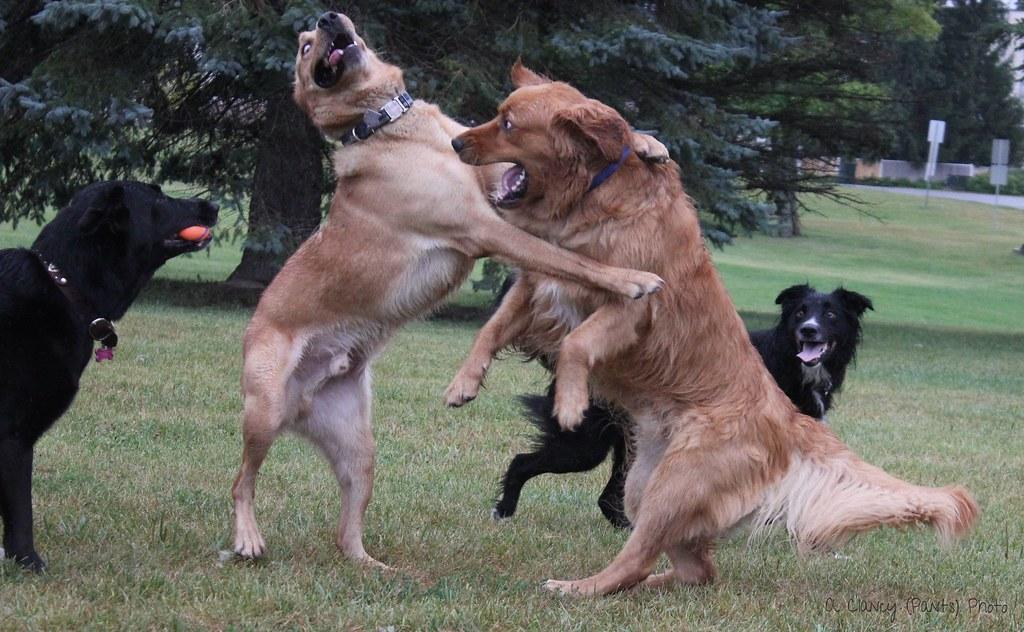
Consistency is key when it comes to helping your dog feel at ease around other pets. By implementing regular socialization practices, you can gradually build your dog’s confidence and reduce anxiety. Begin by scheduling frequent, short interactions with other well-behaved pets in controlled environments. This helps your dog learn to stay calm without feeling overwhelmed. Use positive reinforcement techniques, such as treats or praise, to reward your dog for calm behavior during these interactions. Over time, your dog will associate being calm with positive outcomes, making it easier for them to handle social situations.
- Start with brief, supervised meetings in a neutral space.
- Gradually increase the duration and complexity of interactions.
- Introduce new pets one at a time to prevent overstimulation.
- Always end on a positive note to reinforce calm behavior.
Remember, patience is essential. Dogs, like humans, need time to adapt to new social settings. By fostering a consistent routine, you will help your dog learn that other pets are not a threat, but an opportunity for play and companionship.