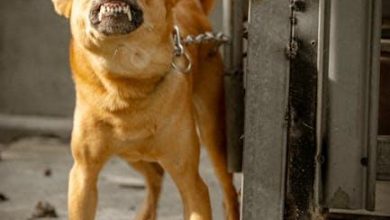
In the quiet corners of our bustling world, where the hum of life meets the whisper of nature, there exists a challenge faced by many dog owners: a beloved canine companion who cowers at the mere presence of men. This is not just a behavioral quirk but a barrier to the boundless joy that a well-socialized dog can bring. Fear, while a natural emotion, becomes a formidable wall when it prevents our furry friends from experiencing the world in all its richness. For these dogs, the journey to overcoming this fear is not just a path to peace but a bridge to a life filled with wagging tails, friendly encounters, and new adventures. In this article, we delve into the best ways to help a dog overcome its apprehension of men, offering insights and strategies that pave the way to a more harmonious coexistence. Whether you’re a seasoned dog owner or a new pet parent, these techniques aim to transform fear into confidence, one step at a time.
Understanding the Root of Canine Fears
When a dog exhibits a fear of men, it often stems from past experiences or insufficient exposure to diverse human interactions. This anxiety may manifest through behaviors such as cowering, barking, or avoidance. Understanding these fears is crucial to addressing them effectively. Often, dogs develop these apprehensions due to one or more of the following reasons:
- Negative past experiences: A traumatic encounter with a man, whether intentional or accidental, can leave a lasting impact.
- Lack of socialization: Dogs that haven’t been exposed to a variety of people during their critical socialization period may develop fear-based responses.
- Genetic predisposition: Some breeds are naturally more cautious or prone to anxiety, which can influence their comfort level with unfamiliar men.
By recognizing these underlying causes, dog owners can approach the issue with empathy and patience, paving the way for effective socialization strategies that cater to their pet’s unique needs.

Creating a Safe and Positive Environment
Establishing a nurturing atmosphere is key when helping a dog overcome its fear of men. This involves creating a consistent routine that fosters trust and security. Begin by ensuring that the environment is free from any abrupt or startling noises that might exacerbate anxiety. Gentle exposure is crucial; introduce your dog to men in a controlled setting where it feels safe. Encourage men to sit quietly, avoiding direct eye contact, and allow the dog to approach at its own pace. Positive reinforcement is your ally here—reward any brave behavior with treats or praise.
- Use calming aids: Consider pheromone diffusers or calming collars that might ease anxiety.
- Engage in interactive play: Introduce toys that can be used by both the dog and the men it fears, creating a positive association.
- Encourage gentle interactions: Have men offer treats or toys to the dog from a distance, gradually decreasing the space as comfort increases.
- Create safe spaces: Ensure there are areas where the dog can retreat if it feels overwhelmed, such as a cozy bed or a designated quiet corner.
Incorporating these practices consistently will help the dog learn that interactions with men can be safe and enjoyable, gradually building its confidence and reducing fear.
Gradual Exposure Techniques for Building Trust
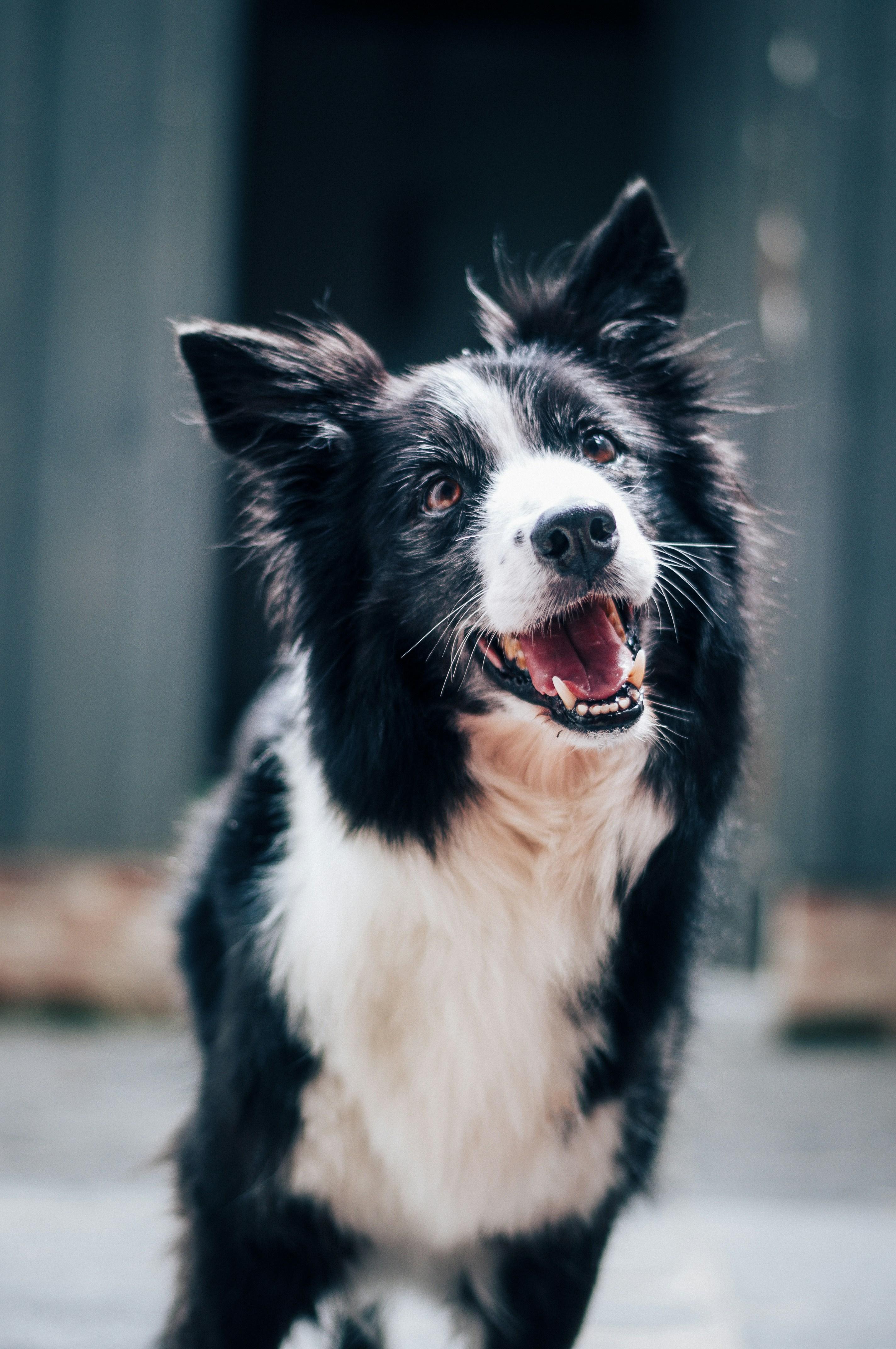
When working to build trust with a fearful dog, especially one that is wary of men, gradual exposure is a powerful tool. This technique involves introducing your dog to the presence of men in a controlled, step-by-step manner, helping them to become more comfortable over time. Start by allowing your dog to observe men from a distance where they feel safe. Gradually decrease this distance as your dog shows signs of relaxation and curiosity rather than fear. Throughout this process, it’s crucial to remain patient and attentive to your dog’s body language.
- Controlled Environment: Begin in a calm and quiet setting to minimize stress.
- Positive Reinforcement: Reward your dog with treats and praise when they remain calm in the presence of men.
- Consistent Routine: Introduce a routine where your dog encounters men regularly but without pressure.
- Observe and Adjust: Pay attention to your dog’s reactions and adjust the exposure levels accordingly.
By carefully orchestrating these interactions, you create a foundation of trust and safety, allowing your dog to slowly build confidence in situations they previously found intimidating.

Incorporating Positive Reinforcement Strategies
- Gradual Exposure: Introduce your dog to men in a controlled and calm environment. Start with men at a distance and gradually decrease this space as your dog becomes more comfortable.
- Treats and Praise: Use treats and verbal praise to reward your dog when they show signs of calmness or curiosity around men. This reinforces positive associations.
- Body Language: Encourage men to approach your dog with relaxed body language, avoiding direct eye contact and standing sideways rather than head-on.
- Consistency: Ensure that the men interacting with your dog use the same commands and reward techniques to provide a consistent experience.
Positive reinforcement is crucial in helping a fearful dog build confidence. By rewarding desired behaviors, you create a safe space for your dog to learn and grow. Consistent, patient practice will gradually shift your dog’s perception, transforming fear into curiosity and comfort.