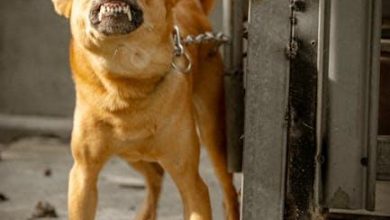
In the tranquil sanctuary of a quiet home, a timid dog finds solace, its world a tapestry woven with familiar scents and gentle whispers. Yet, beyond the comforting confines lies a bustling universe teeming with sights and sounds that stir a primal instinct—fear. As guardians of these sensitive souls, we often face the quandary of whether socialization, a cornerstone of canine development, might inadvertently amplify their anxieties. This article delves into the delicate balance between nurturing confidence and inadvertently sowing seeds of trepidation, exploring the nuanced dance of introducing fearful dogs to the world beyond their comfort zones. With a neutral lens, we unravel the complexities of socialization, seeking to understand when it serves as a bridge to bravery and when it becomes a pathway to distress.
Understanding Fear: The Roots of Anxiety in Dogs
Fear is an emotion deeply rooted in survival instincts, and for dogs, it can manifest in various forms, from subtle unease to intense anxiety. Understanding these roots is crucial when addressing anxiety in our canine companions. Dogs may develop fear due to genetic predispositions, past traumatic experiences, or lack of early exposure to diverse environments. The fear response is a natural defense mechanism that helps them avoid danger, but it can become problematic when it leads to chronic anxiety.
Several factors contribute to the development of fear and anxiety in dogs:
- Genetics: Some breeds or individual dogs are more prone to anxiety due to their genetic makeup.
- Past Experiences: Traumatic or negative experiences, especially during critical development periods, can leave a lasting impact.
- Lack of Socialization: Dogs that have not been adequately socialized may struggle with fear and anxiety when encountering new situations or environments.
- Environmental Factors: Changes in the dog’s environment, such as moving to a new home or the introduction of a new family member, can trigger anxiety.
Recognizing these roots helps in crafting a compassionate and effective approach to managing fear and anxiety in dogs, ensuring they lead happy and balanced lives.
The Dangers of Over-Socialization: When Good Intentions Backfire
While the notion of exposing fearful dogs to more social situations might seem like a path to confidence, over-socialization can sometimes exacerbate anxiety instead of alleviating it. Dogs, much like humans, have unique personalities and thresholds for social interaction. Bombarding a fearful dog with too many new experiences at once can overwhelm them, leading to increased stress and even reinforcing their fears.
- Overexposure: Introducing too many stimuli too quickly can cause sensory overload.
- Negative Associations: Forced interactions may lead to a negative view of social settings.
- Trust Issues: Pushing a dog beyond its comfort zone can damage the bond of trust.
For dogs with a timid disposition, a gentle approach is often more beneficial. Gradual exposure to new environments and experiences, with plenty of positive reinforcement, allows them to build confidence at their own pace. Recognizing and respecting a dog’s limits can transform socialization from a potentially harmful experience into a constructive journey.
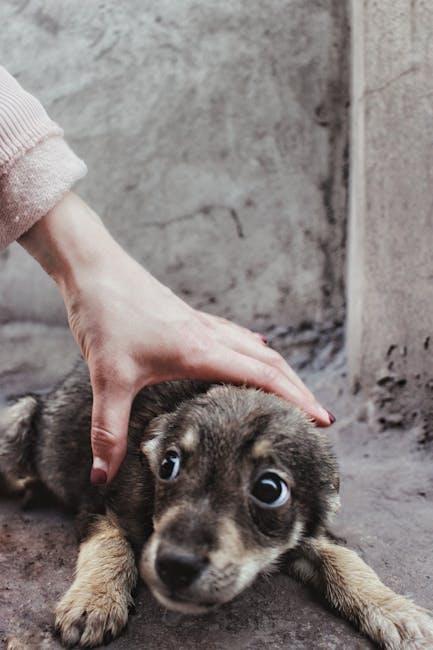
Creating a Safe Space: Tailoring Socialization for Anxious Canines
When working with anxious canines, it is crucial to understand that the typical approach to socialization may not be the best fit for every dog. Anxiety in dogs can manifest in various ways, from timid behavior to aggressive reactions, and forcing social interactions can exacerbate these issues. Instead, consider tailoring their social experiences to suit their individual needs. Here are some suggestions to create a comfortable environment:
- Start Small: Introduce your dog to social settings gradually. Begin with quiet, controlled environments before moving on to busier spaces.
- Positive Reinforcement: Reward calm behavior with treats and praise to build a positive association with socialization.
- Respect Boundaries: Allow your dog to set the pace. If they seem overwhelmed, give them the space to retreat and regroup.
- Observe Body Language: Learn to recognize signs of stress, such as yawning, lip licking, or turning away, and adjust the situation accordingly.
By respecting the unique needs of anxious dogs, we can help them grow more confident and comfortable in their interactions, ultimately enriching their lives without adding undue stress.
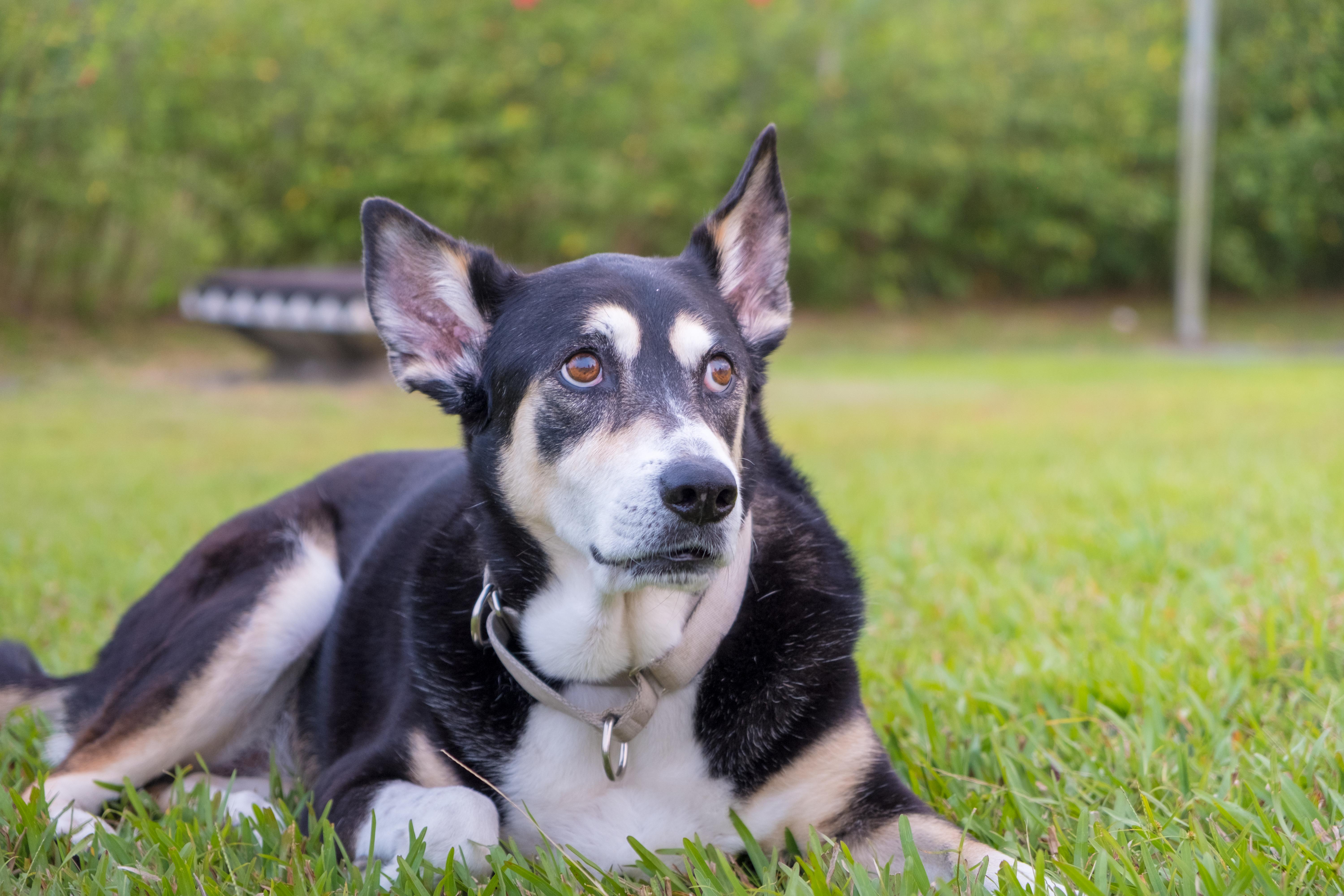
Expert Tips: Gentle Approaches to Building Confidence in Fearful Dogs
When nurturing a fearful dog, the gentle art of building confidence is key. Emphasize patience and understanding as your cornerstones. Recognize that every dog is unique, and what works for one may not work for another. Begin by creating a safe and calm environment where your dog can feel secure. This might involve setting up a cozy corner with their favorite blanket or ensuring the household noise is kept to a minimum.
- Gradual Exposure: Introduce new experiences slowly. Allow your dog to observe from a distance before engaging directly.
- Positive Reinforcement: Reward calm behavior with treats and praise to build positive associations.
- Consistent Routine: Stick to a regular schedule for feeding, walks, and playtime to foster a sense of stability.
- Body Language Awareness: Be mindful of your dog’s signals and adjust your approach accordingly.
Remember, the goal is to build trust and confidence without overwhelming your furry friend. Celebrate small victories and maintain a supportive presence as they navigate the world around them.