In recent years, pet ownership has soared, bringing with it a keen interest in understanding the best ways to nurture and train our furry companions. As we open our homes and hearts to dogs, cats, and other animals, the methods we use to guide their behavior become a topic of significant importance. Among these methods, punishment-based training has sparked considerable debate. While some pet owners swear by its effectiveness, others raise concerns about its potential impact on an animal’s mental well-being. This article delves into the question: Can punishment-based training cause psychological harm to pets? By exploring expert opinions, scientific studies, and real-life experiences, we aim to provide a comprehensive overview of the potential risks and benefits associated with this approach, helping pet owners make informed decisions that prioritize the health and happiness of their beloved companions.
Understanding Punishment Based Training and Its Effects on Pets
Punishment-based training methods often involve techniques like verbal reprimands, physical corrections, or the use of aversive tools such as shock collars. While these methods may produce immediate compliance, they can have long-lasting psychological effects on pets. Pets subjected to punishment-based training may exhibit increased anxiety, fear, and even aggression. These emotional responses can lead to a breakdown in the trust and bond between the pet and the owner, ultimately affecting the pet’s overall well-being.
Research and anecdotal evidence suggest several potential negative outcomes associated with punishment-based training, including:
- Increased Stress Levels: Pets may develop a heightened state of stress, which can manifest in various health issues.
- Fear-Based Responses: Animals may become fearful of their owners or specific situations, leading to avoidance behaviors.
- Suppression of Natural Behaviors: Instead of learning appropriate behaviors, pets may simply suppress actions to avoid punishment, which doesn’t address the root cause of the behavior.
Exploring the Psychological Impact of Negative Reinforcement
When considering the psychological ramifications of training methods, it’s essential to delve into how negative reinforcement can affect our beloved pets. Unlike positive reinforcement, which rewards desirable behaviors, negative reinforcement involves removing an unpleasant stimulus when the desired behavior occurs. This method, often confused with punishment, can lead to a range of psychological outcomes in pets. Research suggests that reliance on punishment-based techniques may lead to increased anxiety, fear, and stress in animals. Pets subjected to such training might develop an association between their owner and the discomfort they experience, potentially harming the bond shared between them.
Potential psychological impacts include:
- Increased Aggression: Pets may become more aggressive as a defense mechanism against perceived threats.
- Fearfulness: Constant exposure to negative stimuli can lead to heightened fear responses.
- Learned Helplessness: Some animals may stop trying to escape unpleasant situations, leading to passivity.
- Reduced Trust: The pet-owner relationship may suffer as pets become wary of their handlers.
Understanding these potential impacts can guide pet owners towards more humane and effective training methods that nurture trust and confidence in their furry companions.

Recognizing Signs of Stress and Anxiety in Your Pet
Understanding when your pet is feeling stressed or anxious is crucial to their well-being. Pets, much like humans, exhibit a range of behavioral changes when under duress. These changes can often manifest as increased aggression or unusual timidity. Watch for signs such as excessive barking, whining, or meowing, as these may indicate discomfort. Additionally, you might notice physical symptoms like pacing, shaking, or panting. A decrease in appetite or sudden destructive behavior can also be telltale signs of anxiety.
In addition to behavioral shifts, pets may also display changes in their social interactions. Look out for:
- Withdrawing from family members or other pets
- Over-grooming or licking themselves excessively
- Refusal to engage in play or exercise
Recognizing these signs early can help you address the underlying causes and take steps to alleviate their stress. If you notice any of these symptoms, consider consulting a veterinarian or a pet behaviorist for further guidance. Understanding your pet’s signals is the first step towards ensuring their emotional health and well-being.

Effective and Compassionate Training Alternatives for a Happier Pet
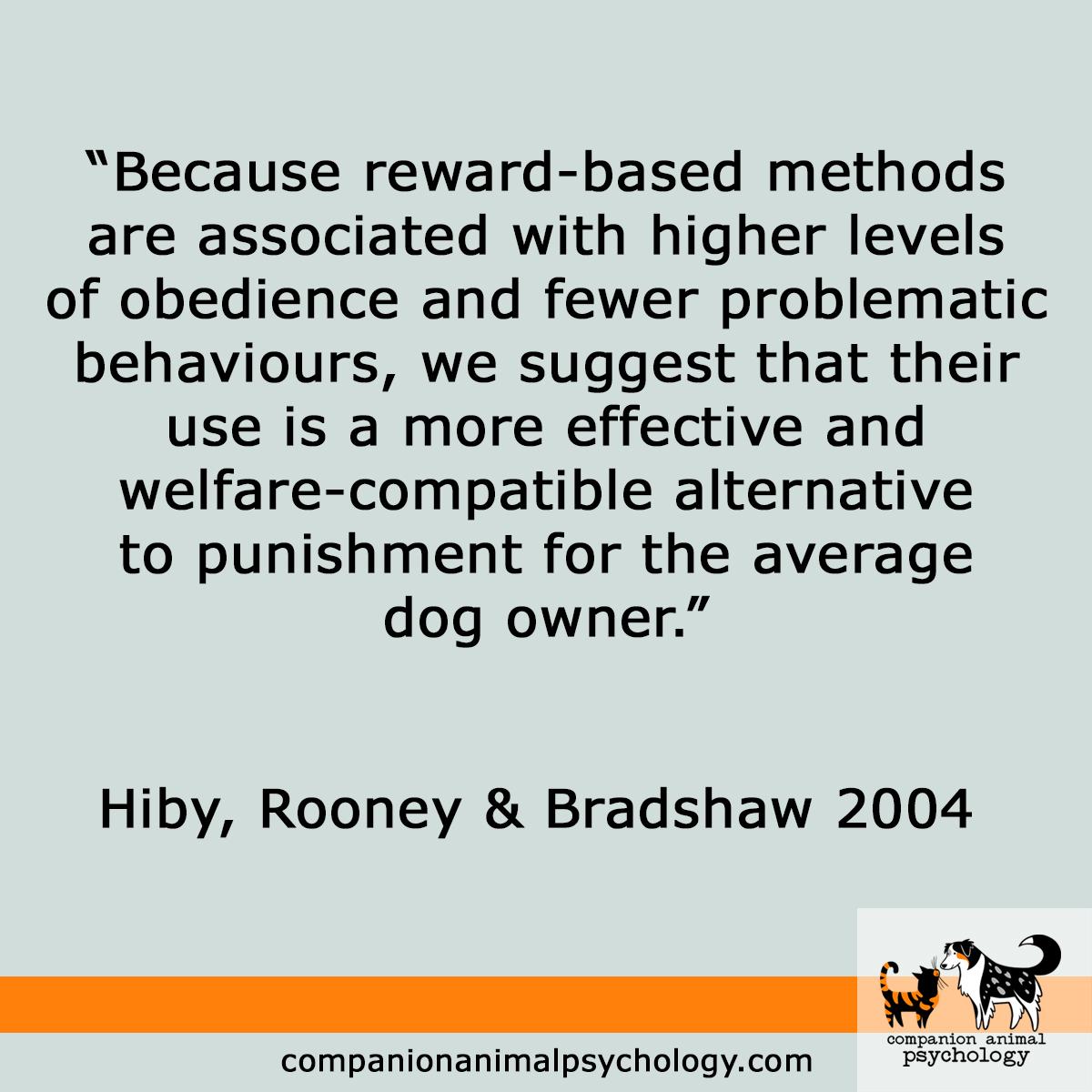
For those looking to cultivate a harmonious relationship with their pets, it’s crucial to explore training methods that are both effective and compassionate. Traditional punishment-based approaches often rely on aversive techniques, which can lead to fear, anxiety, and even aggression in animals. Instead, consider embracing positive reinforcement strategies that emphasize rewarding desired behaviors. By doing so, you’ll foster an environment where your pet feels safe and encouraged to learn.
Here are some alternatives that focus on kindness and understanding:
- Clicker Training: This method uses a sound to mark a desired behavior, followed by a reward, helping pets quickly understand what is expected of them.
- Reward-Based Systems: Offer treats, toys, or affection to reinforce good behavior, making training sessions enjoyable and motivating for your pet.
- Environmental Enrichment: Engage your pet with interactive toys and puzzles that stimulate their minds and keep them mentally and physically active.
- Consistency and Patience: Maintain a steady routine and practice patience, allowing your pet the time they need to grasp new commands or behaviors.
By adopting these compassionate training methods, you create a supportive learning environment that not only enhances your pet’s well-being but also strengthens the bond you share.