Have you ever found yourself captivated by the mysterious antics of your feline friend, only to wonder what’s really going on in that curious little mind? Cats, with their playful pounces and seemingly inexplicable behaviors, have fascinated humans for centuries. While some of their actions might leave us scratching our heads, there is often a logical explanation rooted in their cognitive processes. In this article, we’ll explore the intriguing world of feline psychology, shedding light on the reasons behind your cat’s curious behavior. By understanding the cognitive mechanisms that drive their actions, we can not only deepen our appreciation for these enigmatic creatures but also enhance our bond with them. So, grab a cozy seat and prepare to embark on a journey into the mind of your beloved cat.
Understanding the Feline Mind: Why Cats Explore Their World
At the heart of your cat’s inquisitive nature lies a fascinating blend of instinct and intelligence. Cats are natural explorers, driven by a combination of their ancestral hunting instincts and their keen sensory perceptions. Unlike humans, who rely heavily on sight, cats engage with their environment using a sophisticated array of senses. This heightened sensory awareness allows them to detect even the slightest changes in their surroundings, prompting a need to investigate further.
- Instinctual Behavior: Cats are hardwired to explore. Their ancestors needed to understand their territory to hunt effectively and avoid predators.
- Sensory Curiosity: With highly developed senses, cats are attuned to sounds, smells, and movements that may go unnoticed by humans.
- Environmental Enrichment: Exploring new areas provides mental stimulation, which is essential for their cognitive health.
By understanding these cognitive reasons, we can better appreciate why our feline companions are so endlessly curious. Providing a stimulating environment with plenty of opportunities for exploration not only satisfies their natural instincts but also contributes to their overall well-being.
The Role of Instincts in Your Cats Curious Nature
Cats are often described as enigmas wrapped in fur, and their curiosity is one of their most defining traits. This behavior is deeply rooted in their instinctual drives, which have been honed over thousands of years of evolution. At the heart of a cat’s inquisitive nature lies a combination of survival instincts and a natural proclivity for exploration. Unlike other domesticated animals, cats maintain a strong connection to their wild ancestors, which is evident in their behaviors.
- Hunting Instinct: Even the most pampered house cat is a descendant of wild predators. Their curiosity is often a byproduct of their innate hunting instincts, leading them to stalk and investigate anything that moves or makes noise.
- Territorial Exploration: Cats are territorial creatures. Their curiosity compels them to explore every nook and cranny of their environment to establish a mental map of their territory, ensuring they know where to find resources and where potential threats might lurk.
- Problem Solving: Cats use their curiosity to solve problems, whether it’s figuring out how to open a cupboard or reach a high shelf. This problem-solving ability is a testament to their intelligence and adaptability.
Understanding these instinctual behaviors can help cat owners appreciate the unique cognitive landscape of their feline friends. By acknowledging the roots of their curiosity, we can better cater to their needs, providing stimulating environments that satisfy their natural instincts.
Decoding Cat Curiosity: Insights from Animal Behaviorists
Ever wonder why your feline friend seems perpetually intrigued by the world around them? Animal behaviorists suggest that this insatiable curiosity is deeply rooted in their cognitive wiring. Cats are natural explorers, driven by a blend of instincts and intelligence. Their heightened senses are always on high alert, constantly gathering information about their surroundings. This is not just for entertainment—it’s a survival mechanism that helps them assess their environment for safety and potential prey.
- Heightened Sensory Perception: Cats possess an acute sense of smell and hearing, allowing them to detect subtle changes in their environment that humans might overlook. This sensory input fuels their curiosity and prompts investigative behavior.
- Innate Hunting Instincts: Even domesticated cats retain the hunting instincts of their wild ancestors. Their curiosity is often piqued by movements or sounds that might signal prey, prompting them to explore further.
- Problem-Solving Abilities: Cats are known for their intelligence and ability to solve problems. This cognitive prowess drives them to explore, experiment, and learn from their environment, leading to their often mysterious and inquisitive actions.
Understanding these cognitive reasons can help us appreciate the fascinating behaviors of our feline companions. Embracing their curiosity not only enriches their lives but also deepens the bond we share with them.
Encouraging Healthy Exploration: Tips for Cat Owners
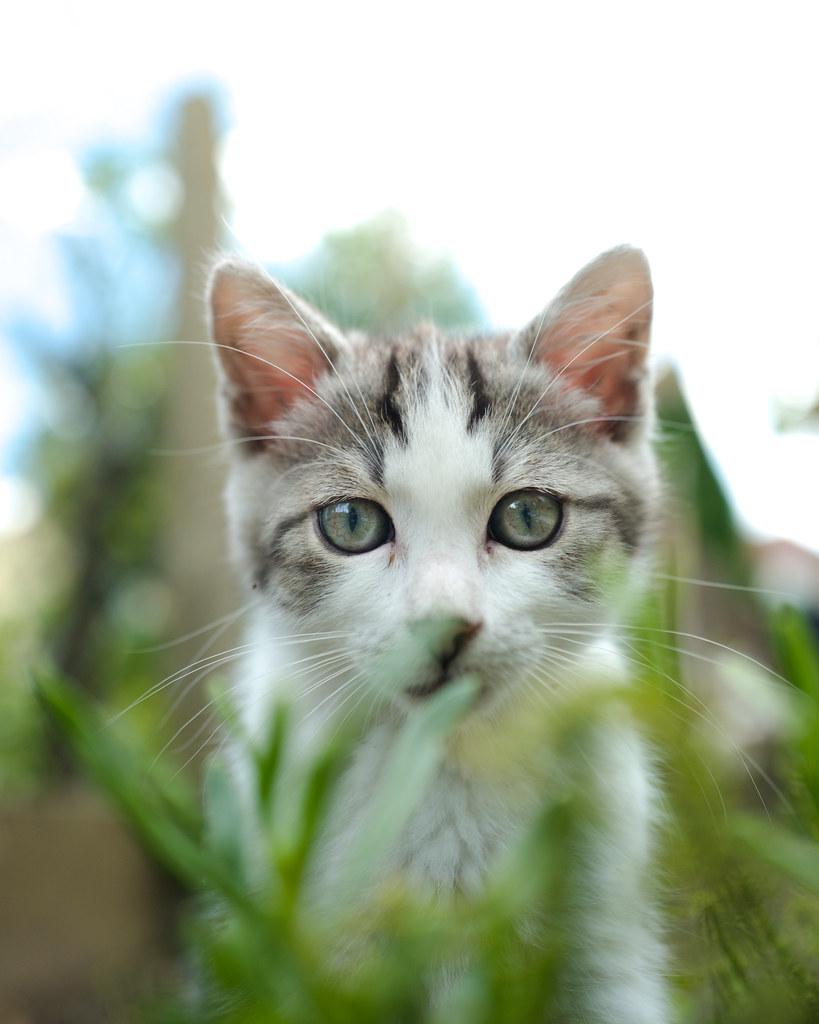
Cats are naturally inquisitive creatures, driven by their instinctual need to explore and understand their surroundings. This curiosity is not only charming but also crucial for their mental and physical well-being. To foster this exploration safely and positively, consider implementing a few strategies to enrich your cat’s environment.
- Interactive Toys: Invest in toys that challenge your cat’s mind and body. Puzzle feeders, laser pointers, and feather wands can stimulate their natural hunting instincts and keep them engaged.
- Safe Outdoor Time: If possible, create a secure outdoor space like a catio or use a harness for supervised walks. This allows them to explore new scents and sights safely.
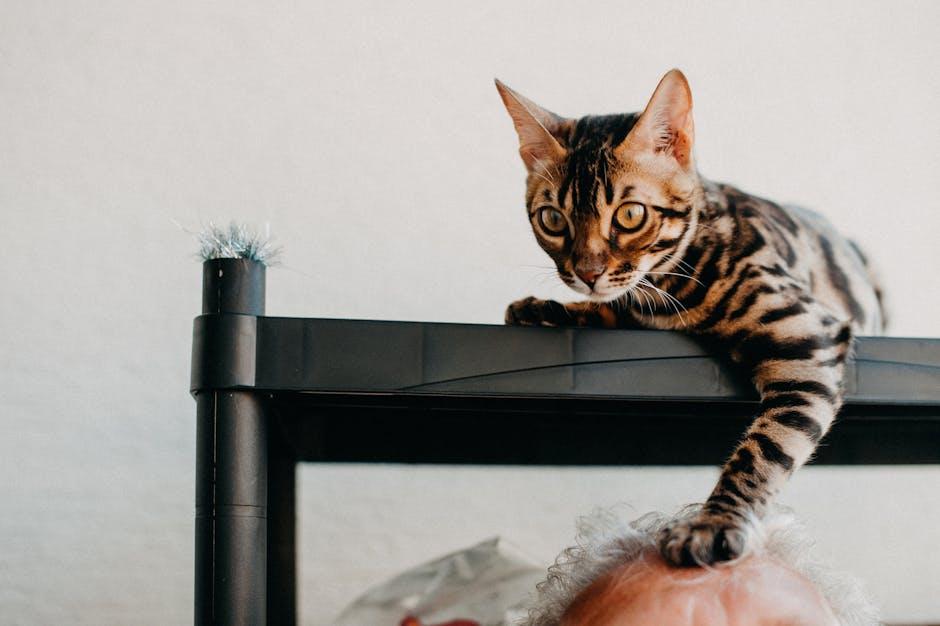
- Vertical Space: Cats love to climb and observe from high vantage points. Install cat trees or shelves to provide them with vertical exploration opportunities.
- Variety of Textures and Scents: Introduce new items with different textures and scents regularly. This can be as simple as rotating their toys or adding new scratching posts.
By encouraging safe exploration, you’re not only satisfying your cat’s curiosity but also contributing to their cognitive development and overall happiness. Remember, a stimulated cat is a happy cat!