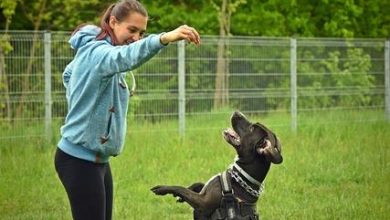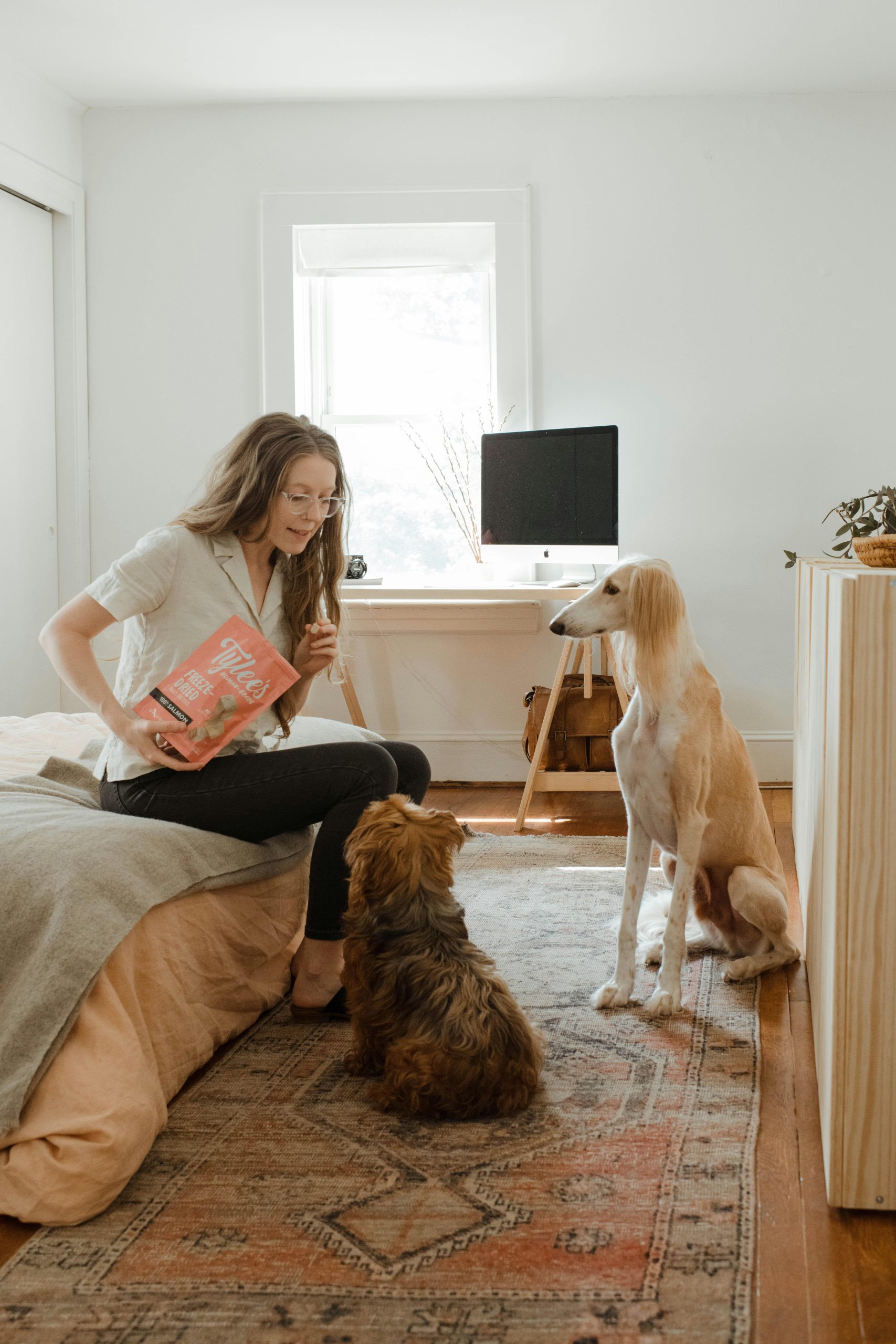
In the symphony of human-animal companionship, few notes resonate as harmoniously as those played in the key of mutual understanding. For dog owners, teaching a pet to “stay” is not merely about instilling obedience; it’s about fostering a dialogue of trust and respect. Reward-based training, a method steeped in positivity and patience, offers a path to this dialogue, transforming the simple command into a profound connection. As we delve into the art of teaching your dog to stay, we explore how treats, praise, and gentle guidance can open the door to a world where both owner and pet move in concert, bound by the joy of shared achievement.
Mastering the Basics: Building a Strong Foundation for Stay
To effectively teach your dog to stay, it’s crucial to establish a strong foundation rooted in understanding and patience. The process begins with creating a distraction-free environment where your dog feels safe and focused. Ensure that you have a collection of their favorite treats on hand, as these will serve as powerful motivators during training sessions. Begin by asking your dog to sit and, once they are in position, introduce the stay command in a clear and calm voice. Consistency is key, so use the same word or phrase each time.
- Start with short durations and gradually increase the time as your dog becomes more comfortable.
- Reward your dog immediately after they successfully stay, reinforcing the behavior with positive affirmation.
- Practice regularly to build confidence and reinforce the behavior.
Remember, patience and repetition are your best tools. If your dog breaks the stay, simply reset and try again without frustration. The goal is to make learning a positive experience, turning the stay command into an instinctive response. Over time, your dog will learn to associate the stay command with rewards and praise, solidifying this crucial skill in their behavioral repertoire.
Harnessing the Power of Positive Reinforcement in Training
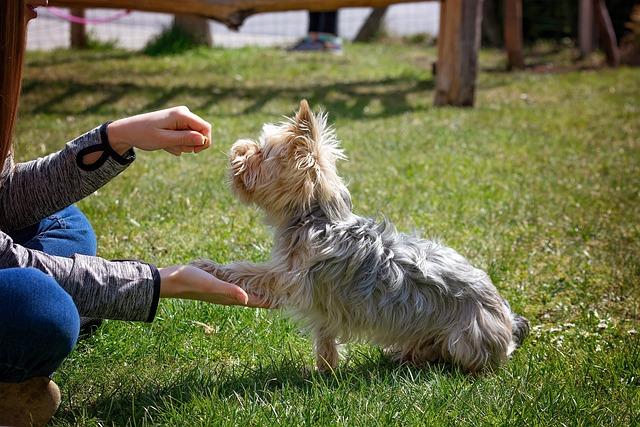
Imagine transforming your dog’s training sessions into moments of joy and engagement by utilizing positive reinforcement techniques. This method, which emphasizes rewarding desired behaviors, not only strengthens your bond with your furry friend but also encourages them to repeat actions that earn them praise or treats. To effectively teach your dog to stay, it’s crucial to follow a structured approach that focuses on consistency and patience.
- Start small: Begin in a distraction-free environment where your dog feels comfortable.
- Use a clear command: Choose a simple word or phrase like “stay” to communicate what you expect.
- Reward immediately: As soon as your dog holds the stay position, offer a treat or verbal praise.
- Gradually increase duration and distance: Slowly extend the time and distance you ask your dog to stay, always rewarding successful attempts.
- Be patient: If your dog breaks the stay, calmly reset and try again, maintaining a positive attitude throughout.
By incorporating these steps, you transform the training process into a series of rewarding interactions, promoting not just obedience but a deeper understanding and trust between you and your dog. This method ensures that learning remains a positive experience, encouraging your dog to look forward to each training session with enthusiasm.
Overcoming Common Challenges with Patience and Consistency
Training your dog to master the “stay” command is a journey filled with small victories and occasional setbacks. Embracing a mindset of patience and consistency is crucial in navigating these challenges. Remember, dogs thrive on routine and clear communication. Here are some strategies to help you and your furry friend succeed:
- Start Small: Begin with short durations and gradually increase the time your dog is expected to stay. Keep initial sessions brief to prevent frustration.
- Consistency is Key: Use the same command word and hand gesture each time. This consistency helps your dog understand what is expected of them.
- Reinforce Positively: Celebrate small successes with treats, praise, or playtime. Positive reinforcement strengthens the behavior and motivates your dog to repeat it.
- Be Patient: Every dog learns at their own pace. Avoid rushing the process and stay calm, even when progress seems slow.
Implementing these strategies with a gentle and patient approach will foster a learning environment where your dog feels supported and encouraged. Over time, with consistent practice, your dog will understand and reliably respond to the “stay” command.
Creating a Reward System that Motivates and Engages Your Dog
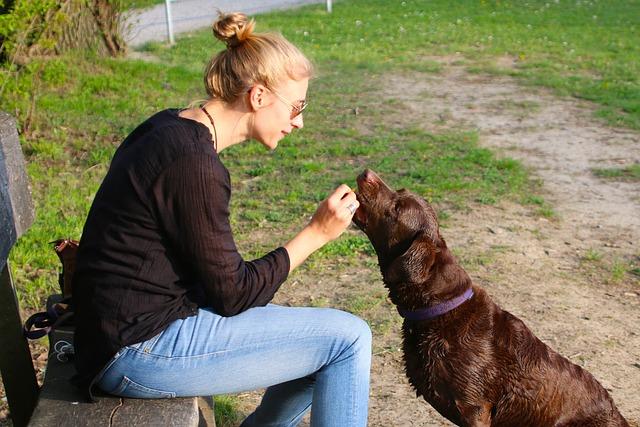
To effectively motivate and engage your dog, it’s essential to develop a reward system that resonates with their natural instincts and preferences. Positive reinforcement lies at the heart of this approach, where desirable behaviors are encouraged through rewarding actions. Consider incorporating a variety of rewards to keep your dog intrigued and eager to learn. These can include:
- Treats: Small, tasty snacks that are easy to dispense and quick to eat.
- Verbal Praise: A simple “good dog” or “well done” can go a long way in reinforcing behavior.
- Physical Affection: A gentle pat or belly rub serves as a comforting acknowledgment.
- Playtime: Engaging in a short game of fetch or tug-of-war can act as a fun reward.
- Toys: Introduce a favorite toy as a special treat during training sessions.
Consistency is key when implementing this system. Ensure that rewards are given immediately following the desired behavior to create a clear connection in your dog’s mind. Tailor the rewards to fit the personality and preferences of your furry friend, and remember to keep the training sessions short and enjoyable. This approach not only enhances learning but also strengthens the bond between you and your dog, making the training process a rewarding experience for both parties.