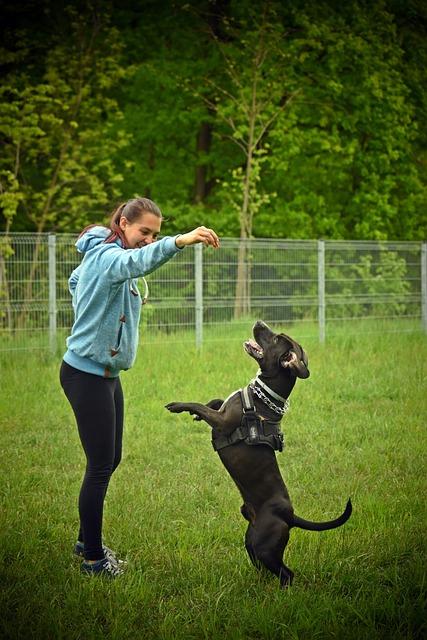
In the world of canine companionship, the bond between humans and dogs is often celebrated as one of mutual understanding and shared joy. At the heart of this relationship lies the art of communication, where commands and cues form the bridge between species. Traditionally, rewards have played a pivotal role in this dialogue, transforming obedience into a game of treats and praises. However, a thought-provoking question lingers in the minds of dog trainers and pet owners alike: should dogs be trained to follow commands without the promise of a reward? As we delve into this debate, we explore the essence of motivation, the ethics of training, and the potential for deeper connections that transcend the transactional. Whether you’re a seasoned trainer, a curious pet owner, or simply a lover of animals, this exploration invites you to reconsider the dynamics of loyalty and leadership in the age-old partnership between humans and their four-legged friends.
Exploring the Psychology Behind Command Training for Dogs
The intricate relationship between dogs and humans is often navigated through a series of commands and responses. Understanding the psychology behind this interaction is crucial for effective training. Dogs, much like humans, are influenced by various psychological factors such as motivation, reinforcement, and social dynamics. At the core, command training taps into a dog’s natural instincts and cognitive abilities, allowing them to learn and perform tasks. The effectiveness of this training hinges on understanding these psychological underpinnings, which include:
- Motivation: Whether driven by food, play, or affection, motivation is a key component. It dictates how a dog perceives and responds to a command.
- Consistency: Dogs thrive on routine and predictability. Consistent training sessions reinforce the association between commands and actions.
- Social Hierarchy: Dogs are pack animals and respond to perceived leadership. Establishing yourself as a calm and assertive leader can enhance training effectiveness.
Training without rewards can be effective if these psychological factors are considered, leveraging a dog’s innate desire to please and belong. Understanding the dog’s mental framework allows for a more tailored approach, potentially minimizing the need for tangible rewards while still achieving desired outcomes.

Balancing Discipline and Motivation in Canine Education
When it comes to canine education, striking a balance between discipline and motivation is essential. Discipline ensures that dogs understand boundaries and expectations, while motivation fosters a positive learning environment that encourages them to engage and respond eagerly. In the world of dog training, the debate often centers around the use of rewards. While some trainers advocate for a reward-based system to instill behaviors, others suggest that dogs should learn to follow commands without the promise of treats. Both approaches have their merits, and the choice often depends on the individual dog and the specific training goals.
Key considerations include:
- Individual Temperament: Some dogs are naturally more motivated by praise or play, while others respond better to treats. Understanding your dog’s unique personality can guide the training approach.
- Training Goals: For basic obedience, rewards can be phased out over time, while advanced training may benefit from a mix of intrinsic and extrinsic motivators.
- Consistency: Maintaining a consistent training routine, whether using rewards or not, is crucial for reinforcing desired behaviors.
Ultimately, successful canine education hinges on the ability to adapt and find the right balance for each individual dog, ensuring that both discipline and motivation play harmonious roles in their development.

Understanding the Long-term Effects of Rewardless Training
Delving into the dynamics of rewardless training reveals a complex landscape where the absence of tangible incentives can significantly shape a dog’s learning journey. While traditional training methods often rely on treats or toys as positive reinforcement, rewardless training shifts the focus to intrinsic motivators such as verbal praise or affection. This approach, however, demands a deeper understanding of a dog’s psychological makeup and can lead to varied outcomes over time. Cognitive stimulation becomes a pivotal component, encouraging dogs to engage more critically with commands and fostering a more profound bond with their handlers. Yet, the absence of external rewards can sometimes result in decreased motivation or slower learning curves, particularly in breeds known for their independent nature.
Key considerations for those embarking on this training path include:
- Consistency: Maintaining a steady routine and clear communication is crucial to reinforcing desired behaviors without physical rewards.
- Patience: Understanding that the absence of immediate gratification may require a longer time commitment to achieve desired outcomes.
- Emotional Connection: Leveraging the bond between handler and dog as a natural motivator, enhancing trust and mutual understanding.
Ultimately, the efficacy of rewardless training hinges on the individual dog’s personality and the trainer’s ability to adapt techniques to fit the unique needs of their canine companion. This method, while challenging, can lead to a more intuitive and harmonious relationship, transcending the transactional nature of treat-based training.
Practical Tips for Effective Non-reward-based Dog Training
Training dogs without relying on rewards can be a fulfilling journey that fosters a deeper understanding between you and your canine companion. Consistency is key; dogs thrive on routine and predictability. Ensure that commands are given in a clear, calm voice, and always maintain a consistent tone. Patience is equally important, as this approach may take longer to yield results compared to reward-based training.
- Build Trust: Establish a strong bond with your dog through regular interaction and play. A trusting dog is more likely to follow commands.
- Use Body Language: Dogs are incredibly adept at reading human body language. Complement verbal commands with clear, consistent gestures.
- Natural Consequences: Allow your dog to experience the natural consequences of their actions. For example, if they don’t sit when asked, they might not get the chance to go for a walk immediately.
- Positive Reinforcement: While not reward-based, a simple pat or verbal praise can go a long way in encouraging desired behavior.
By focusing on understanding and mutual respect, non-reward-based training can help develop a well-behaved and responsive pet, who follows commands out of trust and respect rather than expectation of a treat.