Leash aggression in dogs is a common challenge faced by many pet owners, often transforming peaceful walks into stressful encounters. This behavior, characterized by barking, lunging, or growling when tethered to a leash, can stem from various sources, including fear, frustration, or over-excitement. While traditional corrective methods may provide temporary relief, they often fail to address the root of the issue, leaving both dog and owner trapped in a cycle of tension. Enter reward-based methods—a compassionate and effective approach that focuses on positive reinforcement to reshape canine behavior. This article delves into the world of reward-based training techniques, exploring how they can transform leash aggression into a harmonious walking experience. By understanding and implementing these strategies, pet owners can foster a deeper bond with their furry companions, promoting a sense of trust and mutual respect. Join us as we uncover the principles and practices that make reward-based methods a promising solution for correcting leash aggression in dogs.
Understanding Leash Aggression: Identifying Triggers and Behaviors
Leash aggression can be a perplexing issue for dog owners, often leaving them bewildered as to why their otherwise calm canine transforms into a barking whirlwind at the sight of another dog or person. Understanding the root causes is crucial to effectively addressing this behavior. Dogs may react aggressively while on a leash due to a variety of triggers, including fear, frustration, or even a heightened sense of territoriality. Recognizing these triggers can help in tailoring a more effective, reward-based approach to mitigate the aggression.
Key behaviors indicative of leash aggression include:
- Lunging at other dogs or people
- Barking incessantly while on the leash
- Displaying stiff body posture or a rigid tail
- Growling or snarling
Identifying these behaviors early on allows for timely intervention, employing positive reinforcement to encourage calmer responses. By rewarding the dog for desired behaviors, such as maintaining focus on the handler or sitting quietly, owners can gradually shift their pet’s mindset from one of anxiety or excitement to one of confidence and calmness.
Harnessing Positive Reinforcement: Building Trust and Confidence
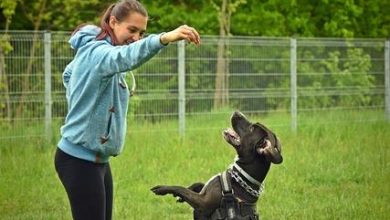
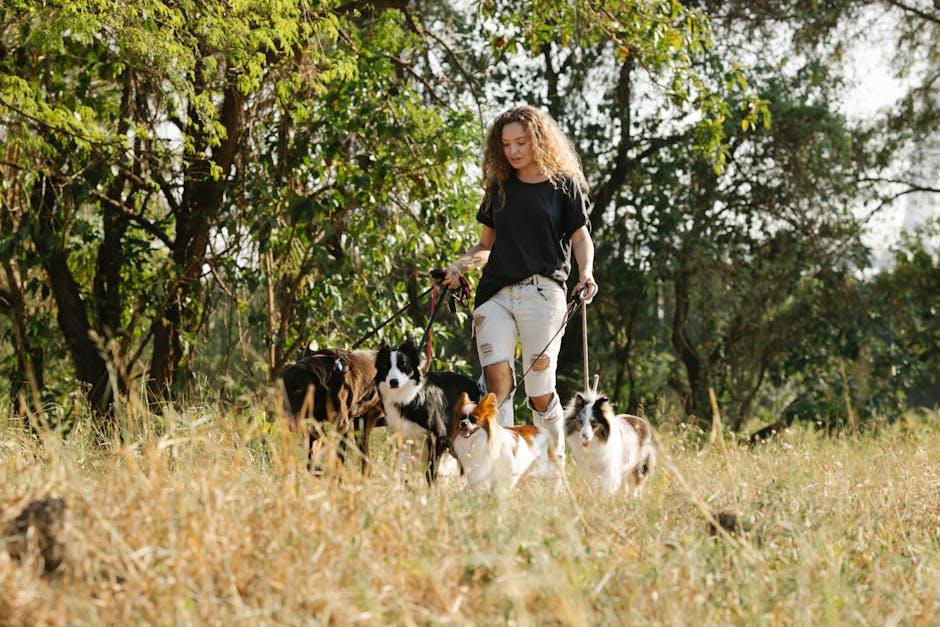
Incorporating positive reinforcement into your training regimen can transform the way your dog perceives their environment, ultimately reducing leash aggression. By focusing on rewarding desirable behaviors, you help build a foundation of trust and confidence between you and your furry companion. When your dog responds calmly to potential triggers during walks, ensure that you acknowledge this behavior with a treat, a kind word, or a gentle pat. This not only reinforces their good behavior but also strengthens your bond.
- Identify triggers: Recognize what specifically causes your dog’s aggression and work on desensitizing them to these stimuli.
- Reward calmness: Whenever your dog remains calm in a situation that previously caused stress, immediately offer a reward.
- Consistent praise: Use consistent verbal cues or gestures to let your dog know they’re doing well.
- Gradual exposure: Slowly introduce your dog to their triggers in a controlled manner to help them adjust over time.
By emphasizing rewards over punishment, you’re not only addressing the behavior at hand but also fostering a more positive and trusting relationship with your pet. This approach encourages dogs to associate previously stressful situations with positive outcomes, making walks more enjoyable for both you and your dog.
Implementing Reward Systems: Techniques for Successful Training
Incorporating a reward system is a powerful approach to address leash aggression in dogs, transforming potentially stressful walks into enjoyable experiences. The key lies in identifying motivators that resonate with your canine companion, which can range from treats and toys to verbal praise or extra playtime. Positive reinforcement is a cornerstone of this method, encouraging desirable behaviors through consistent rewards. When your dog exhibits calm behavior or responds appropriately to commands during walks, promptly reward them to reinforce the connection between good behavior and positive outcomes.
- Clicker Training: Pair a clicker with treats to create a clear, immediate signal that your dog has done something right. This method can help in shaping behavior over time.
- High-Value Treats: Use special treats that your dog doesn’t receive often, making them more enticing and effective in grabbing attention during walks.
- Variable Rewards: Occasionally vary the type and timing of rewards to keep your dog engaged and motivated. This unpredictability can enhance their focus and response to training.
By systematically applying these techniques, you can effectively manage and reduce leash aggression. Remember, patience and consistency are crucial, as changes in behavior may take time. Adapt your strategies based on your dog’s responses, and celebrate each small victory along the journey to a more peaceful walking experience.

Evaluating Progress: Adjusting Strategies for Long-term Success
In the journey to correct leash aggression in dogs, it’s essential to evaluate progress regularly and adjust strategies to ensure long-term success. Reward-based methods are highly effective, but their success hinges on consistent assessment and modification. Begin by observing your dog’s behavior in various settings. Is there a noticeable reduction in aggressive reactions when encountering other dogs or distractions? If not, it might be time to tweak the approach.
- Increase or vary rewards: Sometimes, changing the type of reward can reignite motivation. Switch between treats, toys, or verbal praise to find what resonates most with your dog.
- Adjust training environments: Gradually introduce more challenging scenarios as your dog progresses. This helps in building resilience and confidence.
- Refine timing and delivery: Ensure that rewards are given immediately following the desired behavior to reinforce positive actions effectively.
- Seek feedback from a professional trainer: An expert can offer insights and suggest personalized strategies to overcome specific hurdles.
Regularly reflecting on these elements allows for a dynamic training plan that evolves with your dog’s development, ensuring that your efforts lead to a well-behaved and content companion.