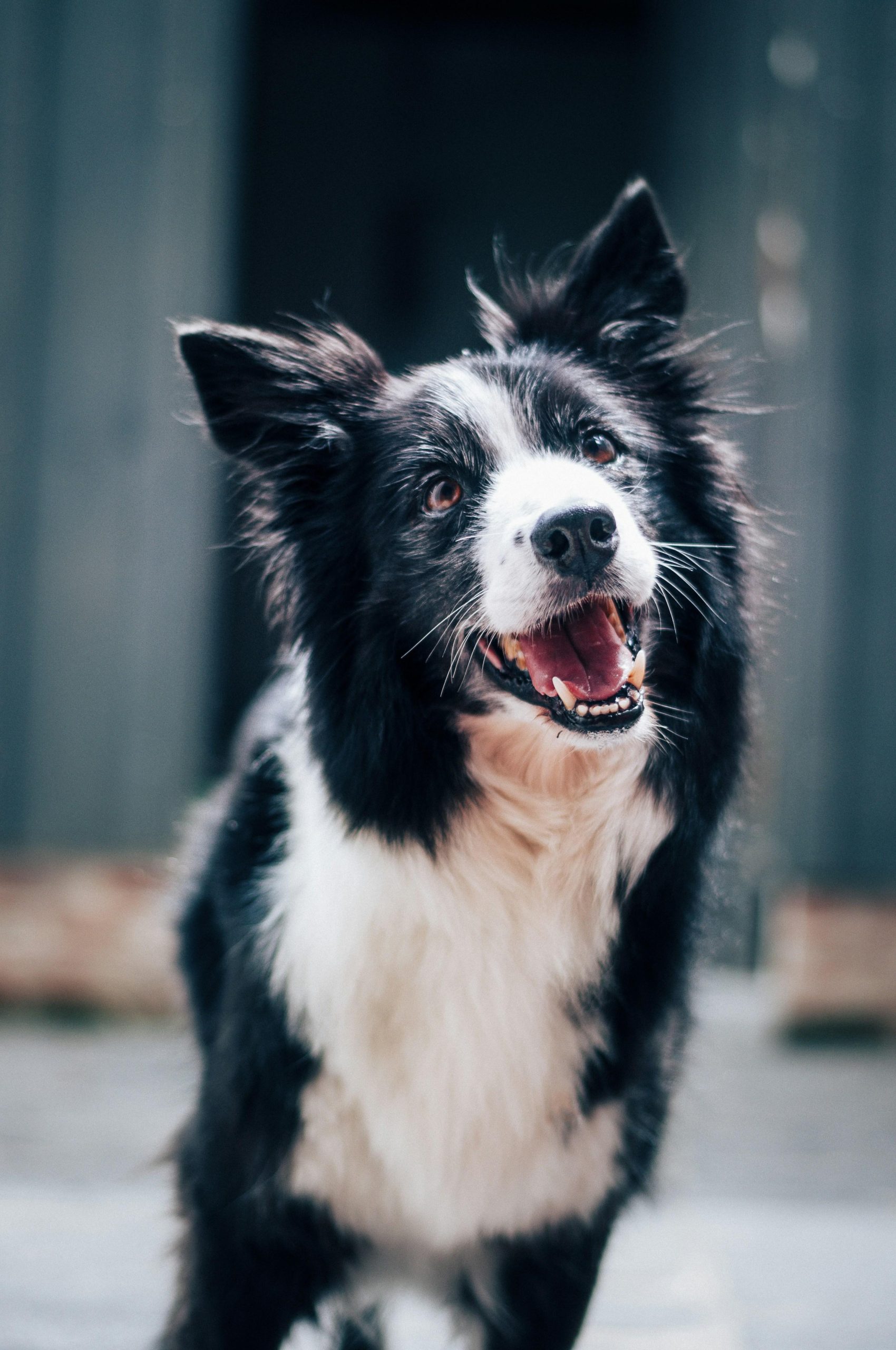
In the symphony of life, our canine companions are both participants and spectators, attuned to the world around them in ways that often escape our human senses. Imagine a world where each rustle of leaves, distant car horn, or neighborhood chatter forms a tapestry of sounds, weaving through the day-to-day experiences of your dog. Just as a well-composed melody enriches our souls, a well-orchestrated introduction to various sounds can significantly enhance your dog’s socialization skills. This journey into auditory exploration not only fosters a sense of security and adaptability in your furry friend but also strengthens the bond you share. Join us as we delve into the art of exposing your dog to a diverse range of sounds, paving the way for a harmonious coexistence in a world bustling with noise.
Understanding Canine Hearing: The Foundation of Sound Socialization
Dogs possess an extraordinary sense of hearing, often perceiving sounds that are far beyond the range of human hearing. This acute auditory ability is crucial for their socialization, as it helps them interpret and respond to their environment. Introducing your dog to a variety of sounds can significantly enhance their adaptability and confidence in diverse settings. Here are some tips to guide you:
- Start Early: Expose puppies to different sounds during their formative weeks. This can include household noises like vacuum cleaners, doorbells, and television sounds.
- Gradual Exposure: Introduce new sounds gradually, starting at a low volume and increasing as your dog becomes more comfortable.
- Positive Reinforcement: Use treats and praise to create a positive association with new sounds, helping to alleviate any potential anxiety.
- Variety of Environments: Take your dog to different environments such as parks, city streets, and pet-friendly events to expose them to a wide range of auditory stimuli.
- Consistency is Key: Regular exposure to various sounds will help solidify your dog’s adaptability and resilience.
By understanding and leveraging your dog’s exceptional hearing, you lay the groundwork for effective socialization, ensuring they grow into well-rounded and confident companions.

Creating a Safe Sound Environment: Tips for Comfort and Confidence
To foster a well-adjusted canine companion, it is essential to introduce them to a diverse range of sounds in a controlled manner. Start with low-volume recordings of everyday noises, such as doorbells or vacuum cleaners, gradually increasing the volume as your dog becomes more comfortable. Remember to associate these sounds with positive experiences by offering treats or engaging in playtime. This creates a positive reinforcement loop that can help ease anxiety.
- Use sound apps or YouTube playlists designed specifically for dog training to mimic environments like busy streets or bustling parks.
- Schedule regular sound exposure sessions to maintain familiarity, ensuring they are short and stress-free.
- Observe your dog’s body language closely, and adjust the intensity or frequency of sounds based on their comfort level.
By thoughtfully crafting these auditory experiences, you can build a sound environment that not only enhances your dog’s confidence but also strengthens the bond you share.
Gradual Sound Introduction: Building a Positive Experience
Introducing new sounds to your dog can be an exciting journey when done with patience and care. Begin with soft, soothing sounds to help your furry friend associate noise with positive experiences. Gradually increase the volume and complexity as your dog becomes more comfortable. Consider starting with sounds from nature like gentle rain or birds chirping. These can create a calming atmosphere and build your dog’s confidence in handling unfamiliar noises.
Once your dog is at ease with these initial sounds, you can move on to more varied ones. Household noises such as a washing machine, a vacuum cleaner, or even a hairdryer can be introduced in a controlled manner. Use treats and praise to reward your dog for calm behavior during these sessions. This approach ensures that your dog feels secure and supported, paving the way for a well-socialized pet who can handle the auditory chaos of the outside world with ease.
Interactive Sound Play: Engaging Activities for Curious Canines
Introducing your dog to a world of diverse sounds can transform their social skills and enrich their daily experiences. To embark on this auditory adventure, consider engaging your furry friend in activities that stimulate their senses and nurture their curiosity. Start by creating a soundscape at home with various recordings or nature-inspired soundtracks. Play these at a low volume and gradually increase as your dog becomes more comfortable. This method helps in acclimating them to different sound environments without causing stress.
For a more interactive approach, incorporate sound-based games into your routine. Try these ideas to keep your dog intrigued and responsive:
- Sound Hide and Seek: Use a squeaky toy or a sound-emitting device hidden around the house to encourage your dog to locate the source of the noise.
- Musical Chairs: Create a playful twist on the classic game by using different sound cues for your dog to sit, stay, or move.
- Call and Response: Train your dog to recognize and respond to specific sounds or words, rewarding them for correct reactions.
These activities not only entertain but also enhance your dog’s ability to adapt to new environments and situations. By turning sound exposure into a playful journey, you’re building a foundation for confident and well-socialized behavior.