Welcoming a furry friend into your home brings a world of joy and companionship, but it also comes with its own set of challenges, especially when it comes to teaching good manners. One essential skill for any well-behaved pup is learning to wait patiently at the door. Whether you’re preventing your dog from bolting outside or simply trying to instill a sense of calm before heading out for a walk, teaching your dog to wait at the door is both a practical and rewarding endeavor. In this article, we’ll explore the best methods to help your canine companion master this important skill. With a little patience and consistency, you’ll soon have a dog that not only respects boundaries but also eagerly looks to you for guidance. Let’s dive into the world of dog training and discover how you can make this learning experience enjoyable for both you and your pet.
Understanding Your Dogs Behavior and Patience Levels
Understanding your dog’s behavior and patience levels is crucial when teaching them to wait at the door. Dogs, much like humans, have varying degrees of patience and impulse control, which can be influenced by their breed, age, and individual temperament. Recognizing these traits in your dog will help you tailor your training approach effectively. For example, high-energy breeds may require more frequent breaks and shorter training sessions, while more laid-back breeds might excel with longer periods of focus. To assess your dog’s patience levels, observe how they react in different situations, such as waiting for food or during playtime. This will provide valuable insights into their natural tendencies and help you devise a strategy that encourages positive behavior at the door.
- Consistency is key: Use the same commands and routines to establish a reliable pattern.
- Positive reinforcement: Reward your dog with treats or praise when they successfully wait at the door.
- Gradual training: Start with short waiting periods and gradually increase the time as your dog becomes more comfortable.
- Patience from you: Remember that progress may be slow, and each dog learns at their own pace.
Creating a Consistent Routine for Door Training
Establishing a routine is crucial in teaching your dog to wait at the door. Consistency helps your pet understand what is expected and reduces anxiety around door interactions. Begin by setting specific times for training sessions each day, ensuring they are calm and focused. Remember, dogs thrive on routine and repetition, so maintaining a regular schedule will reinforce the behavior you’re teaching.
Incorporate these practices into your routine:
- Use a specific command: Choose a word or phrase like “wait” or ”stay” and use it consistently. This helps your dog associate the command with the desired action.
- Practice patience: Start with short waits and gradually increase the duration as your dog becomes more comfortable.
- Reward consistently: Use treats or praise immediately when your dog waits as instructed, reinforcing the positive behavior.
- Repeat the process: Regularly practice at different times of the day and with various door types, such as the front door, back door, or car door, to generalize the behavior.
By embedding these elements into your daily routine, you’ll create a structured environment that encourages your dog to respond appropriately to door cues every time.
Utilizing Positive Reinforcement Techniques Effectively
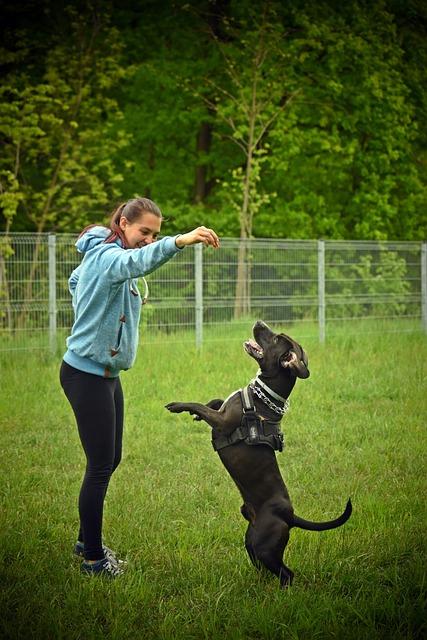
Positive reinforcement is a powerful tool in dog training, especially when teaching your furry friend to wait patiently at the door. By rewarding desirable behavior, you encourage your dog to repeat it. To utilize this technique effectively, begin by identifying a reward your dog truly values. This could be treats, praise, or even a quick game of fetch. Consistency is key, so make sure to reward your dog every time they successfully wait at the door.
- Start small: Initially, reward your dog for waiting just a few seconds. Gradually increase the time as they get more comfortable.
- Use a cue word: Introduce a command like “wait” and say it in a calm, firm voice. This will help your dog associate the behavior with the cue.
- Practice patience: If your dog moves before being released, gently close the door and try again without scolding. This reinforces that the reward comes only when they wait.
- Celebrate successes: Every small victory is a step forward. Offer lots of praise and affection when your dog successfully waits.
With patience and consistent practice, your dog will soon learn that waiting at the door is a rewarding experience.
Common Mistakes to Avoid When Teaching Your Dog to Wait
Training your furry friend to wait patiently can be challenging, especially if you’re new to dog training. Here are some common pitfalls to watch out for to ensure success:
- Inconsistency: Dogs thrive on routine and clear expectations. If you allow your dog to rush out the door sometimes and demand patience at others, they’ll become confused. Make sure every family member is on the same page to reinforce consistent behavior.
- Lack of Patience: Remember, learning takes time. Pushing your dog too quickly or expecting immediate results can lead to frustration for both of you. Celebrate small victories and gradually increase the duration they need to wait.
- Ignoring Cues: Your dog might be trying to tell you something with their body language. If they appear anxious or distracted, they may not be ready to focus on training. Address their needs first, and then resume the lesson.
- Skipping Reinforcement: Positive reinforcement is key. Always reward your dog with treats, praise, or affection when they successfully wait. This encourages them to repeat the behavior.