Food aggression in pets can be a perplexing and concerning behavior for many pet owners, often transforming mealtime into a tense and stressful experience. Understanding why our furry companions might exhibit aggressive tendencies around their food bowls is crucial for fostering a harmonious household. This behavior, while seemingly alarming, is rooted in instinctual survival mechanisms and can be influenced by a variety of factors ranging from past experiences to environmental conditions. In this article, we will explore the underlying reasons why pets may develop aggressive behavior around food, unraveling the complex interplay of genetics, upbringing, and environment. By gaining insight into these causes, pet owners can better address and manage food aggression, ensuring a peaceful coexistence with their beloved animals.
Understanding the Root Causes of Food Aggression in Pets
Food aggression in pets is a complex behavior that can often be traced back to several underlying factors. Instinctual drives play a significant role, as many animals have evolved to protect their resources to ensure survival. In the wild, securing food is a matter of life and death, and this instinct can manifest in domesticated pets as aggressive behavior. Past experiences also contribute; pets that have experienced food scarcity or competition may develop a heightened sense of possessiveness over their meals. Additionally, learned behaviors from their environment or from observing other animals can reinforce these aggressive tendencies.
Understanding the root causes of food aggression can also involve examining medical issues. Sometimes, underlying health problems such as dental pain, gastrointestinal issues, or nutritional deficiencies can trigger aggressive behavior. Pets might also display aggression if they are in discomfort or pain, associating the approach of others with potential threats to their limited resources. Addressing these root causes requires a combination of behavioral training, environmental adjustments, and veterinary care to ensure that your pet feels secure and comfortable during mealtime.
Recognizing the Signs: How to Identify Food-Related Aggression
Understanding food-related aggression in pets requires a keen eye for certain behavioral cues that often precede more overt signs of hostility. Watch for body language—a stiffened stance, raised fur, or a fixed gaze can all indicate tension around meal times. Your pet may also exhibit growling, snarling, or even snapping when you or another animal approaches their food bowl. These are clear signals that your pet is feeling possessive or threatened, and it’s crucial to recognize them early.
- Guarding behavior: Your pet might hover over their food, refusing to let anyone near it.
- Vocal warnings: Growling or hissing when approached during feeding times.
- Snapping or biting: This is a more aggressive escalation, often following ignored warnings.
- Eating hastily: Consuming food rapidly as if to prevent it from being taken away.
These behaviors can be triggered by a variety of factors such as past trauma, fear of scarcity, or even dominance issues. Being able to identify these signs early on can help in addressing the underlying issues and fostering a more peaceful mealtime environment for your furry friend.
Creating a Safe Feeding Environment for Your Pet
Creating a peaceful dining space for your furry friend is essential in preventing food-related aggression. This behavior often stems from various factors such as competition, past trauma, or even medical conditions. Pets, much like humans, have unique personalities and histories that shape their actions. Understanding these triggers can help in tailoring a solution that best fits your pet’s needs.
- Provide Separate Feeding Areas: If you have multiple pets, ensure they each have their own designated eating spots. This minimizes competition and reduces stress.
- Establish a Routine: Feeding your pet at the same times each day can create a sense of security and predictability, helping to ease anxiety.
- Observe and Adjust: Pay attention to your pet’s body language during meal times. If they seem tense or overly focused on their food, consider experimenting with different feeding setups or consult a professional for guidance.
By taking these steps, you can help your pet feel more comfortable and secure during meal times, reducing the likelihood of aggressive behavior and promoting a healthier, happier environment for everyone involved.
Practical Tips to Manage and Reduce Aggressive Behavior
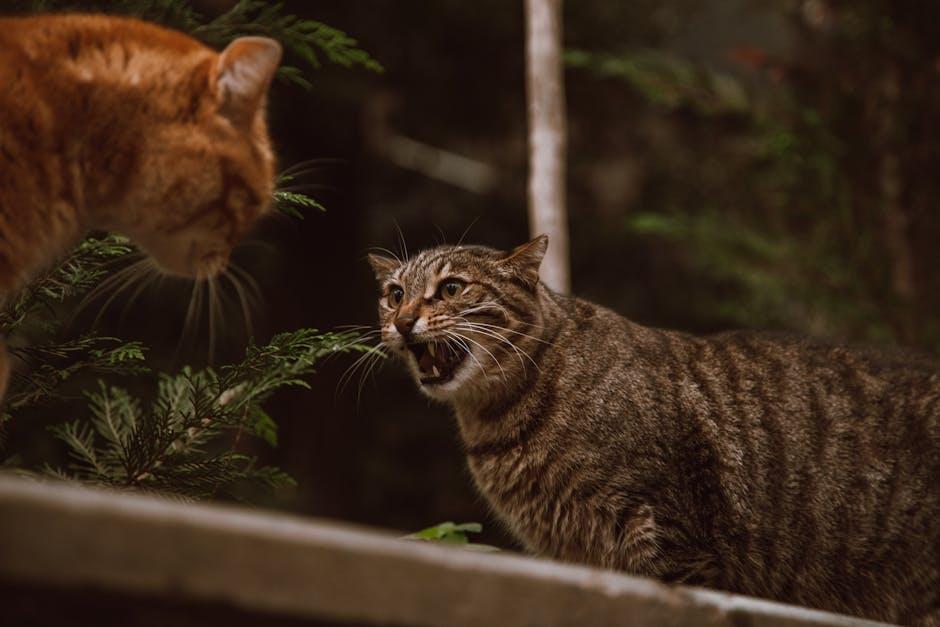
Addressing aggressive behavior in pets, especially around food, involves understanding their triggers and implementing effective strategies. Here are some practical tips to help manage and reduce such behavior:
- Establish a Routine: Feeding your pet at the same time and place each day can create a sense of security and predictability, reducing anxiety that may lead to aggression.
- Use Positive Reinforcement: Encourage calm behavior by rewarding your pet with treats or praise when they remain relaxed during mealtime. This approach reinforces good habits without escalating tension.
- Control the Environment: If possible, feed pets separately to minimize competition and stress. Ensure that their feeding area is quiet and free from distractions or interruptions.
- Seek Professional Guidance: If aggressive behavior persists, consulting with a veterinarian or animal behaviorist can provide tailored advice and strategies to address underlying issues.
Implementing these tips consistently can help create a more harmonious mealtime environment, fostering a stronger bond between you and your pet.