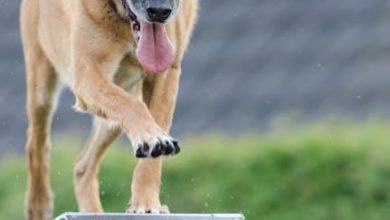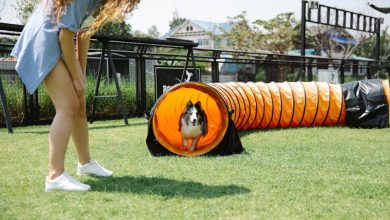
Welcoming a furry friend into your home is a journey filled with joy, companionship, and, occasionally, a few challenges. One of the most common hurdles new dog owners face is teaching their pets to respect boundaries within the house. Whether it’s keeping your pup off the furniture, out of certain rooms, or away from specific items, establishing these boundaries is essential for maintaining a harmonious household. In this guide, we’ll explore practical and positive techniques to train your dog to understand and respect these limits. With patience, consistency, and a dash of creativity, you’ll be able to create a comfortable and respectful environment for both you and your four-legged family member. Let’s embark on this rewarding adventure together, ensuring that your home remains a place of peace and happiness for everyone involved.
Understanding Your Dogs Perspective: The First Step to Success
Imagine navigating a world where every sound, scent, and movement is an invitation to explore. This is how your dog experiences the environment, and understanding this can be pivotal in setting household boundaries. When you grasp that your dog isn’t being stubborn but is simply acting on instinct and curiosity, you can begin to address the root of behavioral issues. Recognizing that your furry friend sees the house as a treasure trove of sensory delights, it’s essential to approach training with empathy and patience.
To effectively teach boundaries, consider these strategies:
- Designate specific areas: Clearly mark which areas are off-limits and which are dog-friendly. Use visual cues like pet gates or different flooring to signify boundaries.
- Consistency is key: Reinforce boundaries with consistent commands and rewards. Every family member should use the same signals to avoid confusing your pet.
- Provide alternatives: Offer plenty of toys and activities to satisfy their curiosity and energy in acceptable ways, redirecting them from off-limits zones.
By embracing your dog’s unique perspective and employing these tactics, you create a harmonious living environment where respect is mutual, fostering a well-behaved and content companion.
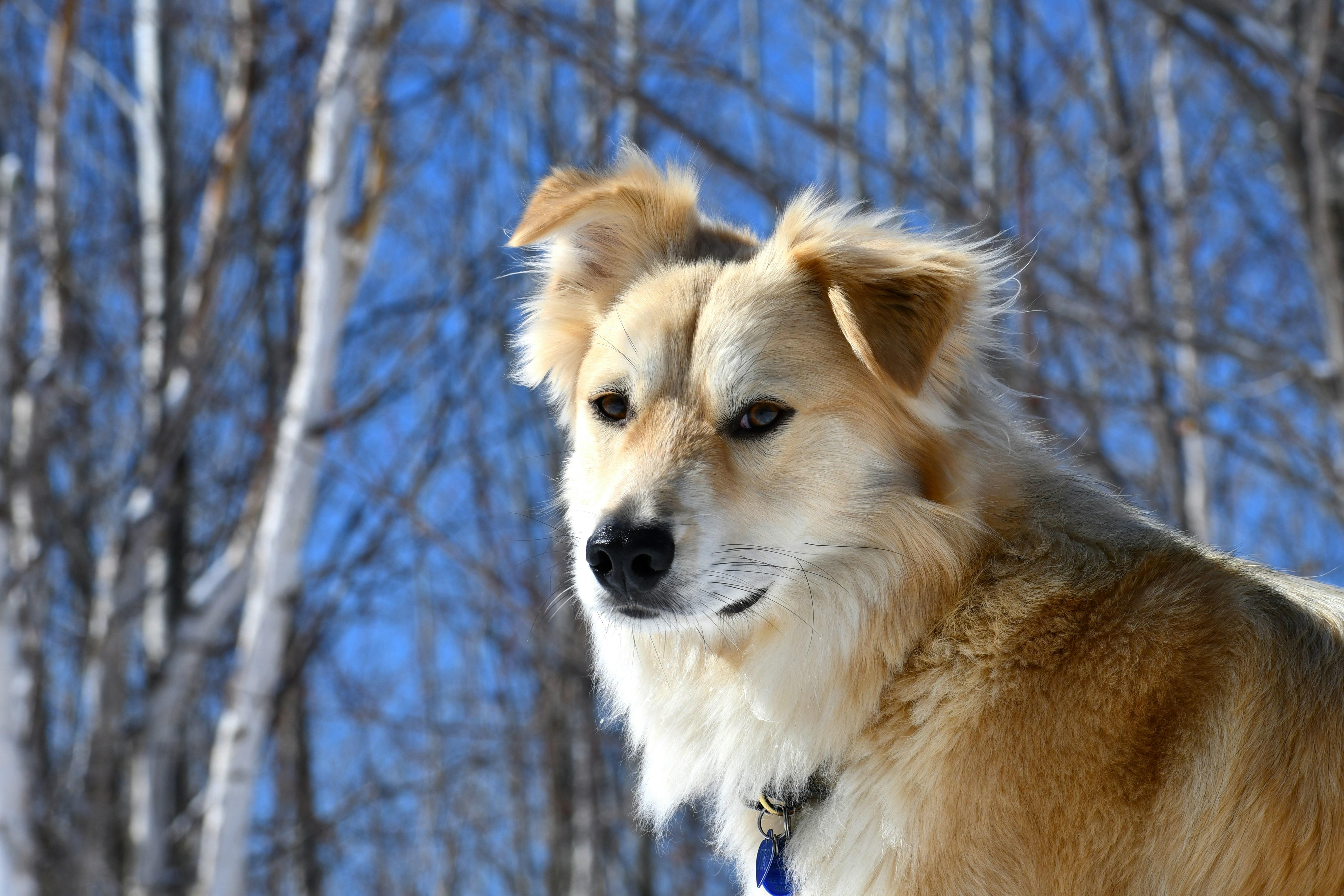
Creating Safe and Defined Spaces: Tips for Setting Up Boundaries
When it comes to establishing boundaries for your furry friend, consistency and patience are key. Dogs thrive on routine, and creating a structured environment will help them understand where they can and cannot go. Begin by identifying specific areas in your home where your dog is allowed. Use visual cues like rugs or furniture to mark these zones. Reinforce these boundaries with training tools such as gates or barriers, especially in areas that are off-limits, like the kitchen or a child’s playroom.
- Positive Reinforcement: Reward your dog with treats or affection when they stay within the designated areas. This encourages good behavior and helps them associate boundaries with positive outcomes.
- Clear Commands: Use simple, consistent commands like ”stay” or “off” to guide your dog. Ensure everyone in the household uses the same commands to avoid confusion.
- Supervision: Initially, keep an eye on your dog to prevent them from crossing boundaries. Gradually increase their freedom as they learn to respect the limits set.
Remember, patience is essential. Training takes time, and setbacks are normal. With a friendly approach and consistent application of these tips, you’ll create a harmonious home environment where your dog feels secure and respected.
Positive Reinforcement Techniques: Encouraging Respectful Behavior
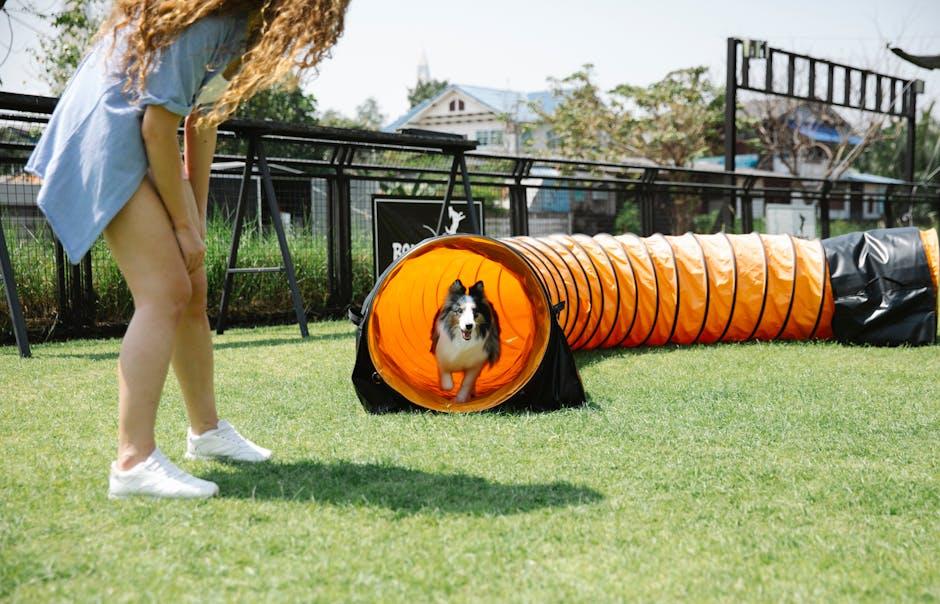
When it comes to nurturing respectful behavior in your furry friend, positive reinforcement is a powerful tool. Dogs thrive on praise and rewards, making it an effective method for teaching them to respect household boundaries. Start by identifying specific areas or behaviors where you want your dog to show respect, such as staying off the furniture or not crossing into certain rooms. Consistency is key—make sure everyone in the household is on the same page and reinforces the same rules.
- Use Treats Wisely: Reward your dog immediately when they exhibit the desired behavior. This helps them make a direct connection between the action and the reward.
- Praise and Affection: Sometimes, a simple “good boy” or a pat on the head can be more motivating than treats.
- Interactive Play: Incorporate games and toys that encourage your dog to follow commands and respect boundaries, turning learning into fun.
- Set Up Success: Arrange your home environment to make it easier for your dog to succeed. For instance, use baby gates to block off restricted areas initially.
Remember, patience and persistence are your allies. Celebrate small victories along the way, and over time, your dog will learn to respect the boundaries you’ve set, making for a harmonious home environment.

Consistency is Key: Establishing a Routine for Boundary Training
To effectively train your dog to respect household boundaries, it’s essential to establish a routine that both you and your furry friend can consistently follow. Dogs thrive on predictability, and a regular schedule helps reinforce the boundaries you set. Begin by identifying the areas in your home where you want to establish limits, such as the kitchen, certain furniture, or specific rooms. Once these areas are defined, it’s time to create a training routine that fits into your daily life.
- Set specific times: Dedicate certain times of the day for boundary training sessions. Consistency in timing helps your dog understand when to expect training and when to relax.
- Use clear cues: Employ consistent verbal cues or hand signals to indicate boundaries. Words like “off,” “leave it,” or a gentle hand gesture can become reliable indicators for your dog.
- Reinforce with rewards: Positive reinforcement is crucial. Reward your dog with treats, affection, or playtime whenever they respect the boundaries you’ve set.
- Patience is vital: Remember, repetition and patience are your best allies. If your dog crosses a boundary, calmly redirect them without punishment, reinforcing the correct behavior with praise.
By embedding these practices into your daily routine, you’ll create a structured environment that encourages your dog to respect boundaries, leading to a harmonious living space for both you and your pet.