In the world of dog training, the age-old debate between positive reinforcement and traditional methods continues to wag its tail. As more pet owners embrace the idea of rewarding good behavior with treats and praise, a new question emerges: does positive training cultivate canines that are constantly sniffing out rewards? This article delves into the heart of this question, exploring whether the treat-driven approach leads to a culture of expectancy among our four-legged friends. By examining the principles of positive reinforcement and the psychology of our furry companions, we aim to shed light on whether this modern method shapes more eager learners or simply, dogs with a sweet tooth for rewards. Join us as we embark on this journey through the paws and minds of man’s best friend.
The Science Behind Positive Reinforcement and Canine Behavior
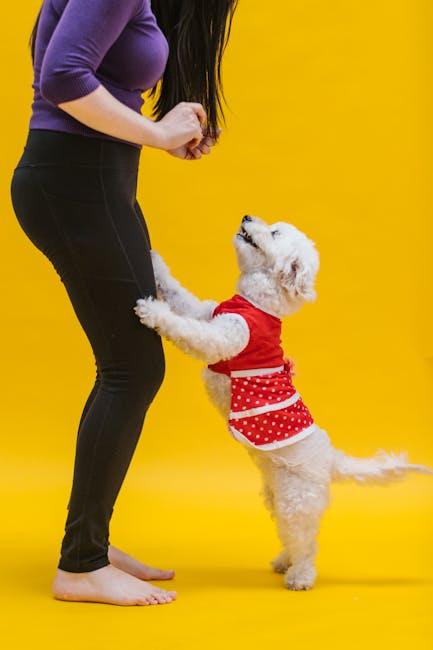
Positive reinforcement is grounded in the principles of operant conditioning, a behavioral science framework developed by B.F. Skinner. At its core, this approach involves adding a rewarding stimulus to increase the likelihood of a desired behavior being repeated. In the realm of canine behavior, positive reinforcement can be exceptionally effective. When a dog receives a treat, praise, or playtime for performing a desired action, it creates a strong association between the behavior and the positive outcome. This encourages the dog to repeat the behavior, enhancing learning and fostering a stronger bond between the dog and its owner.
Some might wonder if dogs trained with positive reinforcement will become overly reliant on rewards. However, it’s important to note that as training progresses, the need for constant rewards diminishes. Here are some key aspects to consider:
- Variable Rewards: Over time, trainers can shift to a variable schedule of reinforcement, where rewards are given intermittently. This keeps the dog engaged and motivated without expecting a treat every time.
- Intrinsic Motivation: As dogs learn and internalize commands, the act of performing the behavior itself becomes rewarding. Praise and affection can gradually replace treats.
- Building Trust: Consistent positive interactions enhance trust and cooperation, leading to a more harmonious relationship.

Balancing Rewards and Expectations in Dog Training
In the world of canine training, the delicate dance between rewards and expectations is crucial for fostering a well-behaved companion. While positive reinforcement has gained popularity for its compassionate approach, it raises the question of whether it cultivates dogs that are perpetually on the lookout for treats. The key to a balanced training regimen lies in understanding how to gradually transition from tangible rewards to intrinsic motivations. By using a combination of treats, praise, and play, trainers can ensure that dogs remain engaged without developing an over-reliance on constant rewards.
- Treats: Initially used to capture attention and encourage desired behaviors.
- Praise: Gradually integrated as a reward, emphasizing verbal and physical affection.
- Play: Utilized to reinforce commands, offering an enjoyable break from routine.
By strategically phasing out treats and incorporating varied forms of encouragement, dogs learn to associate good behavior with more than just edible incentives. This method not only nurtures a harmonious relationship between the owner and their furry friend but also ensures that the dog becomes a willing participant in their own learning journey. As trainers and pet owners, embracing this nuanced approach allows us to strike the perfect balance, ensuring our canine companions thrive in both understanding and enthusiasm.
Exploring the Psychological Impact of Continuous Rewards
In the realm of canine training, the use of continuous rewards can be a double-edged sword. On one hand, positive reinforcement can be a powerful motivator, enhancing learning and fostering a bond between dog and owner. However, it also raises questions about the psychological implications for our furry friends. When dogs are consistently rewarded for their actions, they may develop an expectation for constant rewards, potentially leading to a dependency on treats and praise. This could manifest in several ways:
- Decreased Motivation: Without the promise of a treat, a dog might lose interest in performing even the simplest tasks.
- Increased Anxiety: Anticipation of rewards can lead to stress if the expected reward is delayed or absent.
- Overstimulation: Continuous rewards can sometimes lead to hyperactivity, making it difficult for dogs to focus without external stimuli.
To mitigate these effects, trainers often recommend integrating a variable reward schedule. This approach maintains the element of surprise, keeping dogs engaged without fostering an expectation of constant reinforcement. Additionally, incorporating other forms of rewards, such as play or affection, can diversify the training experience and reduce dependency on treats alone. By understanding the psychological impact of our training methods, we can ensure that our dogs remain eager learners and joyful companions.
Strategies for Effective and Balanced Dog Training
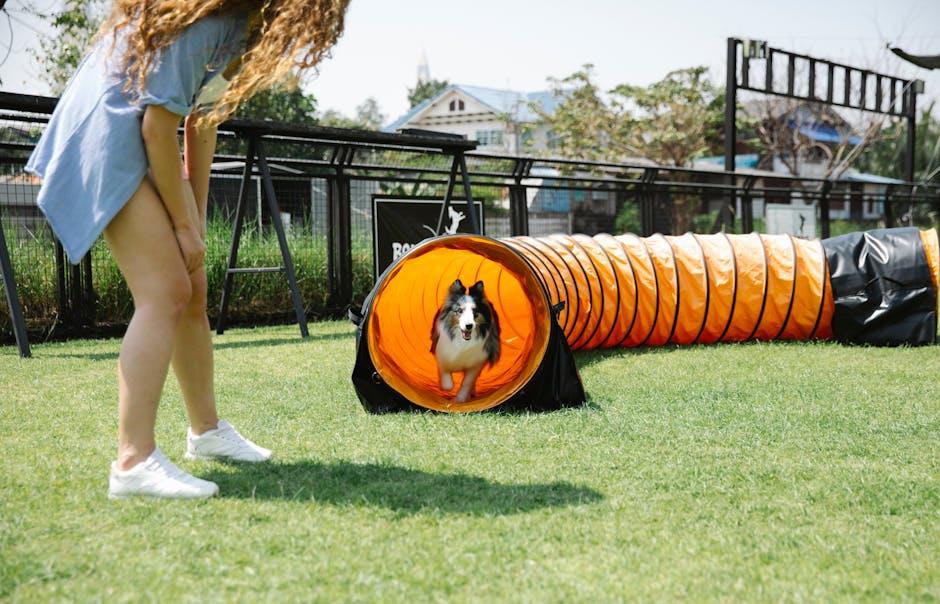
Finding the right balance in dog training is crucial for fostering a well-behaved, confident, and happy canine companion. A multifaceted approach, blending various techniques, can yield the most effective results. Positive reinforcement, when combined with other strategies, can create a harmonious training regimen that does not solely rely on treats or rewards. By introducing consistency in commands and setting clear boundaries, dogs learn to understand expectations and develop intrinsic motivation to behave appropriately.
Consider incorporating the following elements into your training routine:
- Variety in Rewards: Mix treats with verbal praise, affection, or playtime to keep your dog engaged without expecting constant treats.
- Gradual Fading: Slowly reduce the frequency of tangible rewards while maintaining positive reinforcement to encourage long-term behavioral changes.
- Structured Routines: Establish regular training sessions that are short and focused to prevent fatigue and reinforce learning.
- Socialization: Encourage interactions with other dogs and people to enhance social skills and reduce anxiety.
By integrating these strategies, trainers can cultivate a balanced environment where dogs thrive and respond positively without the expectation of constant rewards.