
Addressing a dog’s aggressive response to strangers is a crucial aspect of responsible pet ownership, ensuring both the safety of your pet and the well-being of those around you. While aggression in dogs can stem from a variety of causes—ranging from fear and anxiety to territorial instincts—understanding and correcting these behaviors is essential for fostering a harmonious environment. This article provides a comprehensive guide to identifying the root causes of aggression, implementing effective training techniques, and employing strategies to promote positive interactions with strangers. Through a combination of patience, consistency, and professional guidance when necessary, dog owners can transform their pet’s behavior, paving the way for a more peaceful coexistence in diverse social settings.
Understanding the Root Causes of Aggression in Dogs
Identifying the underlying triggers of canine aggression is essential in addressing and mitigating these behaviors effectively. Often, dogs exhibit aggressive tendencies due to a combination of factors such as fear, anxiety, territorial instincts, or even past traumatic experiences. Recognizing these root causes can help in formulating a tailored approach to modify the dog’s response. Here are some common triggers to be aware of:
- Fear-Based Aggression: Dogs may lash out when they feel threatened or cornered, especially if they have had negative experiences with strangers in the past.
- Protective Instincts: Some dogs naturally become aggressive when they perceive a threat to their territory or family, acting out of a protective drive.
- Socialization Issues: Lack of proper socialization during a dog’s formative months can lead to difficulties in accepting unfamiliar people or environments.
- Medical Conditions: Pain or discomfort from an underlying health issue can also lead to aggressive behavior as a form of self-defense.
By understanding these potential causes, dog owners can work towards creating a safer and more comfortable environment for their pets, employing strategies such as positive reinforcement, consistent training, and professional guidance when necessary.
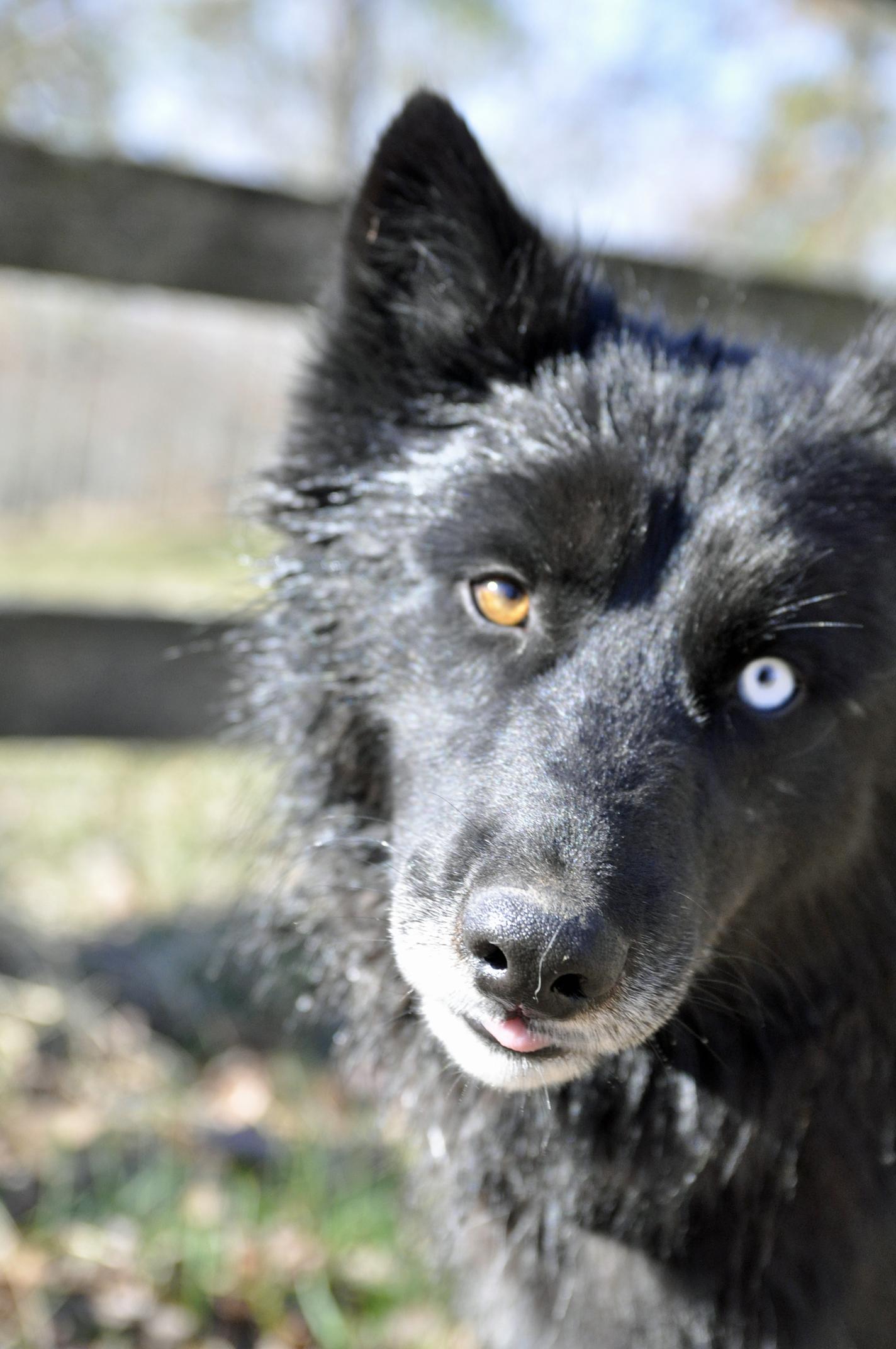 Aggressive Behavior“>
Effective Training Techniques to Modify Aggressive Behavior
Addressing a dog’s aggressive response to strangers requires patience and a strategic approach. Positive reinforcement is key; rewarding calm behavior can help reshape your dog’s reactions. Start by introducing your dog to strangers from a distance where they feel safe and gradually decrease the distance over time. During these interactions, ensure your dog is on a leash for control and safety. Use treats or toys as rewards when your dog exhibits calm behavior around strangers. Consistency is crucial, so practice these interactions regularly.
- Desensitization: Gradually expose your dog to strangers in controlled settings, increasing the exposure as they become more comfortable.
- Counter-Conditioning: Pair the presence of a stranger with something positive, like a treat, to change the dog’s emotional response.
- Body Language Awareness: Learn to read your dog’s body language to prevent situations that may trigger aggression.
- Professional Help: If necessary, consult a professional dog trainer or behaviorist for personalized guidance.
Implementing Positive Reinforcement and Desensitization Strategies
To help your dog overcome aggressive responses to strangers, utilizing a combination of positive reinforcement and desensitization techniques can be highly effective. Start by identifying triggers that cause the aggressive behavior, such as a stranger’s proximity or certain actions. Gradually expose your dog to these triggers in a controlled and safe environment, ensuring the distance is far enough to prevent a reaction. Reward your dog with treats or praise for calm behavior, gradually decreasing the distance as your dog becomes more comfortable.
- Consistency: Ensure all family members use the same commands and rewards to avoid confusion.
- Patience: Progress may be slow; allow your dog to adjust at their own pace.
- Observation: Watch for signs of stress or discomfort and adjust your approach as needed.
Incorporating these strategies can create a positive association with strangers, reducing aggressive tendencies over time. Remember, patience and consistency are key in helping your dog feel safe and confident in various social situations.
Creating a Safe and Controlled Environment for Socialization
To effectively manage a dog’s aggressive behavior towards strangers, it is essential to establish a structured setting that encourages positive interactions. Begin by ensuring your dog feels secure and comfortable in its surroundings. This can be achieved by introducing your pet to new people in familiar areas, such as your home or a well-known park. Consistency is key; maintain a calm demeanor and use a confident, steady voice when addressing your dog. This helps in conveying a sense of security and leadership.
- Introduce slowly: Allow your dog to observe strangers from a distance before any direct interaction. Gradually decrease this distance over time.
- Positive reinforcement: Reward your dog with treats or praise when it remains calm in the presence of strangers.
- Controlled exposure: Arrange meetings with strangers in a controlled environment, ensuring both the dog and the new person are prepared for the encounter.
- Social cues: Teach your dog to recognize and respond to social cues from you, helping it understand when it’s appropriate to be calm or alert.
By implementing these strategies consistently, you create an atmosphere that promotes confidence and trust, reducing the likelihood of aggressive responses and fostering more harmonious social interactions.