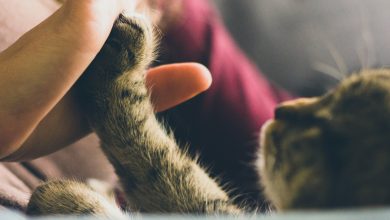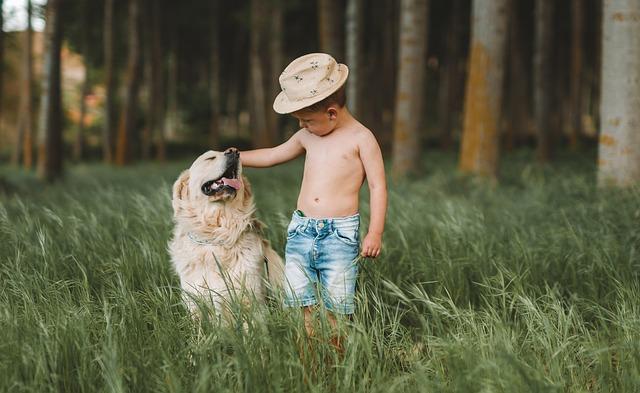
In homes around the world, pets occupy a special place in the hearts of their human companions. Whether it’s a dog wagging its tail in excitement as its owner returns home, a cat curling up contentedly on a lap, or a parrot chirping happily at the sound of a familiar voice, these interactions suggest a deep bond between humans and their animal companions. But are these gestures merely instinctive behaviors, or do they reflect genuine affection? This article explores the intriguing question: Are pets capable of loving their owners as much as we love them? By examining scientific research, expert opinions, and anecdotal evidence, we’ll delve into the emotional lives of our furry, feathered, and scaly friends to understand the nature of their attachments and the extent of their capacity for love.
Understanding Animal Emotions: The Science Behind Pet Affection
The science of animal emotions is a fascinating field that delves into the complex emotional lives of our pets. Recent studies have shown that animals, particularly domesticated ones like dogs and cats, are capable of experiencing a range of emotions akin to humans. Research indicates that pets can form deep emotional bonds with their owners, which are often expressed through behaviors that we interpret as affection.
Several scientific observations support this claim, such as:
- Oxytocin Release: Known as the “love hormone,” oxytocin levels increase in both humans and dogs when they interact positively, suggesting a biological basis for mutual affection.
- Behavioral Cues: Pets often exhibit behaviors like tail wagging, purring, or leaning against their owners, which are interpreted as signs of attachment and affection.
- Response to Emotional States: Many pets can sense changes in their owner’s emotions, often providing comfort or displaying concern when their human companions are distressed.
While the depth of their affection may differ from human love, the emotional connections pets form with their owners are undeniably profound and meaningful.
Recognizing the Signs: How Pets Show Their Love
While our pets may not express their affection with words, they certainly have their own unique ways of showing love. Understanding these signs can help strengthen the bond between you and your furry companion. Here are a few heartwarming ways pets demonstrate their devotion:
- Physical Touch: Pets often seek physical contact as a form of affection. Cats may rub against you or knead your lap, while dogs might lean against you or rest their head on your knee.
- Following You Around: Ever noticed how your pet follows you from room to room? This behavior indicates that they enjoy your company and feel secure around you.
- Excited Greetings: A wagging tail, a purring cat, or a bird chirping excitedly when you come home are all joyful expressions of love and happiness to see you.
- Bringing Gifts: Though it may seem odd, when a cat brings you a “gift” like a toy or even a small animal, it’s a sign of affection and trust.
Recognizing these gestures can deepen your appreciation for the unique ways pets show love. By understanding their language, you can respond with the care and affection they deserve, further nurturing the mutual bond of love.
Deepening the Bond: Building a Stronger Connection with Your Pet
Understanding the emotional capacity of pets can be a fascinating journey. Pets, much like humans, exhibit a range of emotions, and there are several signs that suggest they do indeed form strong attachments with their owners. Dogs, for instance, are known for their unwavering loyalty, often seen wagging their tails with sheer joy upon seeing their human companions. Cats, on the other hand, may express their affection through gentle purring or head-butting, a behavior known as “bunting” that signifies trust and bonding.
- Physical Affection: Pets often express their love through physical touch. Dogs may lean against you or nuzzle your hand, while cats might curl up on your lap.
- Vocalizations: Different pets have unique ways of communicating. Dogs may bark excitedly, and cats might meow softly to greet you.
- Following You: Pets that follow you from room to room are often demonstrating their attachment and desire to be near you.
- Eye Contact: Extended eye contact can be a sign of trust and love, especially in dogs, who often gaze into their owners’ eyes to show affection.
Each pet is unique, and their ways of expressing love can vary. By paying attention to these behaviors, we can better understand and nurture the bond we share with our furry friends. Building a stronger connection with your pet requires patience, understanding, and a willingness to reciprocate their affection in ways they comprehend.
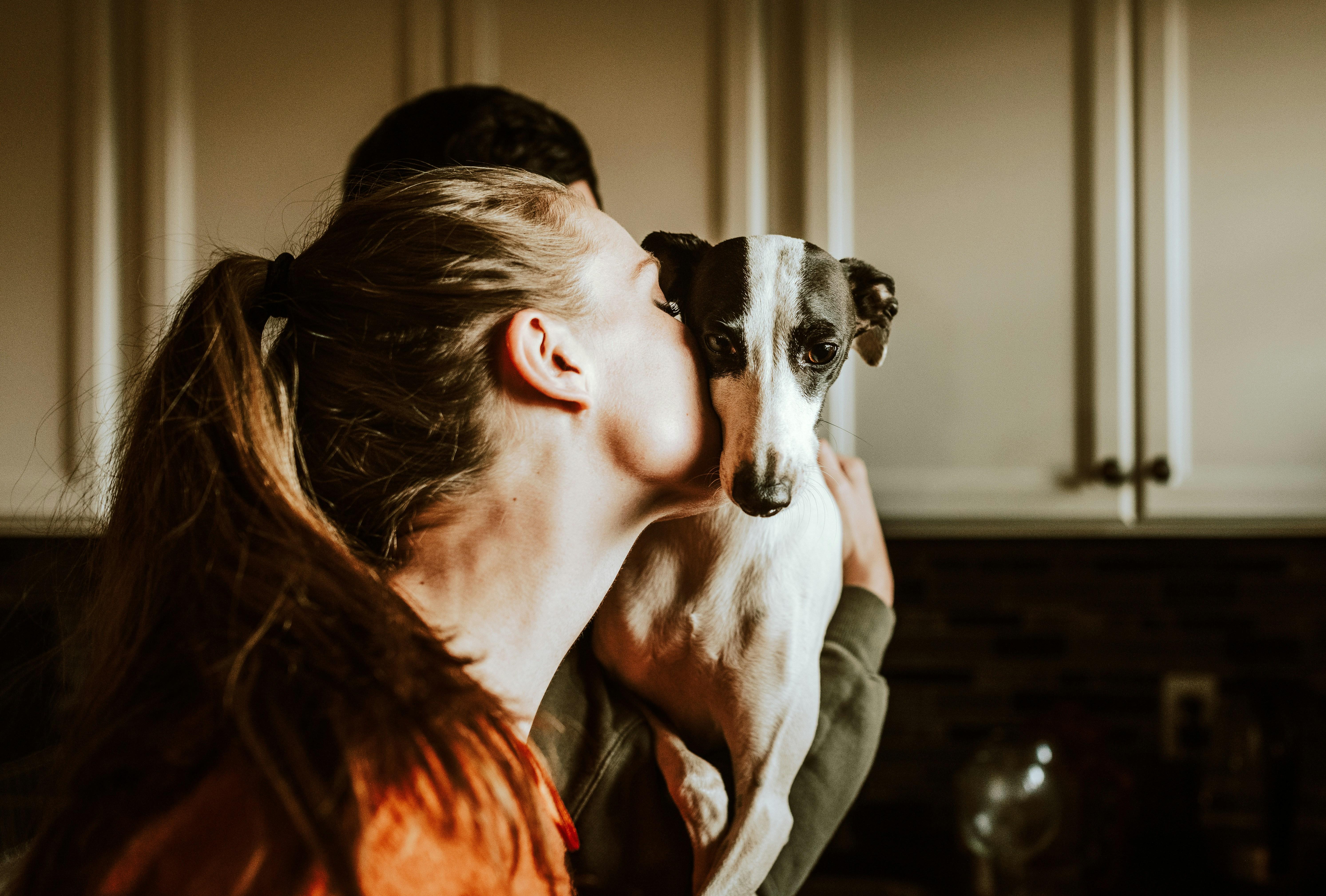
Expert Tips: Encouraging and Nurturing Your Pets Affection
Fostering a deeper bond with your pet requires patience, understanding, and a touch of creativity. Here are some expert tips to nurture your pet’s affection:
- Quality Time: Spend dedicated time with your pet each day. Whether it’s a walk in the park or a cozy evening at home, consistency builds trust and love.
- Positive Reinforcement: Use treats and praise to encourage positive behavior. This not only trains your pet but also strengthens your connection.
- Understanding Body Language: Pay attention to your pet’s signals. Recognizing when they’re happy, anxious, or scared helps you respond appropriately and build a stronger bond.
- Healthy Environment: Ensure your pet has a safe, clean, and stimulating environment. A content pet is more likely to express affection and develop a closer relationship with you.
- Respect Personal Space: Just like humans, pets need their own space sometimes. Respecting this helps in maintaining a harmonious relationship.
Implementing these strategies not only enhances your pet’s well-being but also deepens the affectionate bond you share.