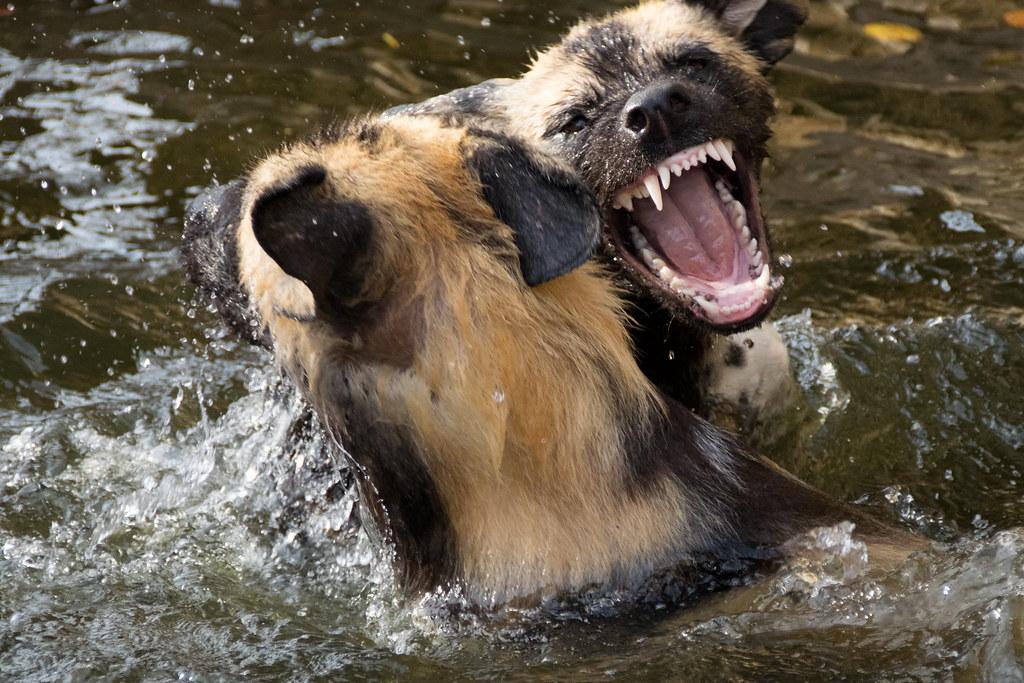
Aggression in dogs is a topic that often evokes concern and curiosity among pet owners and animal enthusiasts alike. While our canine companions are known for their loyalty and affection, instances of aggressive behavior can be puzzling and, at times, alarming. Understanding the psychology behind these behaviors is crucial for ensuring a harmonious relationship between dogs and their human families. In this article, we will delve into the underlying causes of aggression in dogs, exploring the psychological factors that contribute to such behaviors. Additionally, we will provide practical strategies for managing and mitigating aggression, helping pet owners create a safe and nurturing environment for their furry friends. Whether you’re a seasoned dog owner or considering bringing a new pet into your home, this guide aims to equip you with the knowledge and tools to address aggression with confidence and compassion.
Understanding the Roots of Canine Aggression
Canine aggression can often be traced back to a variety of underlying causes, each contributing to the behavior in unique ways. Genetics plays a crucial role; some breeds are predisposed to certain types of aggression due to their historical roles, such as guarding or hunting. Environmental factors also significantly impact a dog’s behavior. Dogs raised in environments lacking socialization, or those exposed to inconsistent or harsh training methods, are more likely to exhibit aggressive tendencies. Furthermore, health issues such as pain or neurological disorders can lead to sudden changes in behavior, often manifesting as aggression.
- Fear-Based Aggression: Often stems from a lack of socialization or traumatic experiences.
- Territorial Aggression: Typically arises from the instinct to protect a perceived territory.
- Resource Guarding: Involves aggressive behaviors to protect possessions such as food or toys.
Understanding these roots allows dog owners to tailor their approach to managing aggression. Professional guidance from a veterinarian or a certified animal behaviorist can be invaluable in identifying specific triggers and developing a comprehensive management plan. Consistency in training and positive reinforcement can also aid in mitigating aggressive behaviors, promoting a healthier and more harmonious relationship between the dog and its owner.

Identifying Triggers and Warning Signs in Your Dog
Understanding the subtle cues that precede aggressive behavior in dogs is crucial for effective management. Dogs often communicate their discomfort or agitation through various signals, which, if identified early, can prevent escalation. Common triggers might include unfamiliar environments, interactions with strangers, or loud noises. Each dog is unique, and what triggers one might not affect another. Observing your dog’s behavior in different scenarios will help you pinpoint specific situations that cause distress.
It’s also essential to recognize the warning signs of impending aggression. These can range from more obvious signals like growling and baring teeth to subtler cues such as a stiffened posture or a fixed stare. Pay attention to their body language and vocalizations, and make a note of any repetitive behaviors or patterns. By staying attuned to these signs, you can intervene before your dog feels the need to react aggressively, ensuring a safer and more harmonious environment for both you and your pet.
Effective Training Techniques to Curb Aggressive Behavior
Understanding and managing aggression in dogs requires a thoughtful approach that blends psychology with practical training methods. Here are some effective techniques that can help curb aggressive behavior:
- Positive Reinforcement: Rewarding good behavior with treats, affection, or playtime encourages dogs to repeat those actions. This method focuses on what the dog does right, rather than punishing undesirable behavior.
- Consistency is Key: Dogs thrive on routine and clear expectations. Consistent commands and responses help them understand what is expected, reducing confusion and potential aggression.
- Desensitization and Counter-Conditioning: Gradually exposing a dog to a trigger in a controlled way, while associating it with positive experiences, can diminish aggressive responses over time.
- Obedience Training: Teaching basic commands such as sit, stay, and come can help establish a foundation of trust and respect, making it easier to manage aggressive tendencies.
- Understanding Body Language: Learning to recognize the signs of stress or fear in dogs can help prevent situations that might lead to aggression. This includes reading their body posture, tail position, and facial expressions.
Implementing these strategies with patience and consistency can lead to a more harmonious relationship with your canine companion, helping them to feel more secure and less likely to exhibit aggressive behaviors.

Building a Safe and Positive Environment for Your Pet
Creating a nurturing and secure atmosphere for your dog is crucial in mitigating aggressive behaviors. Understanding your dog’s triggers and managing their environment can significantly reduce stress and anxiety, which often contribute to aggression. Here are some effective strategies:
- Consistent Routine: Establish a predictable daily schedule. Dogs thrive on consistency, which helps them feel secure and reduces anxiety-induced aggression.
- Safe Spaces: Designate a quiet area in your home where your dog can retreat when feeling overwhelmed. This safe haven should be free from loud noises and disturbances.
- Positive Reinforcement: Encourage good behavior with treats and praise. This helps build a positive association with desired actions and can gradually reduce aggressive tendencies.
Socialization plays a pivotal role in shaping a dog’s behavior. Expose your dog to various environments, people, and other animals gradually. This exposure, when done positively, can help your dog feel more comfortable and less threatened, reducing the likelihood of aggression. Remember, patience and consistency are key in transforming your pet’s environment into a haven of positivity and safety.