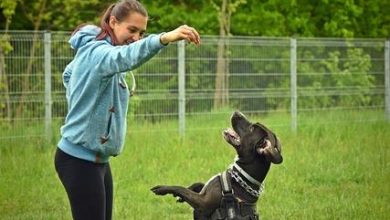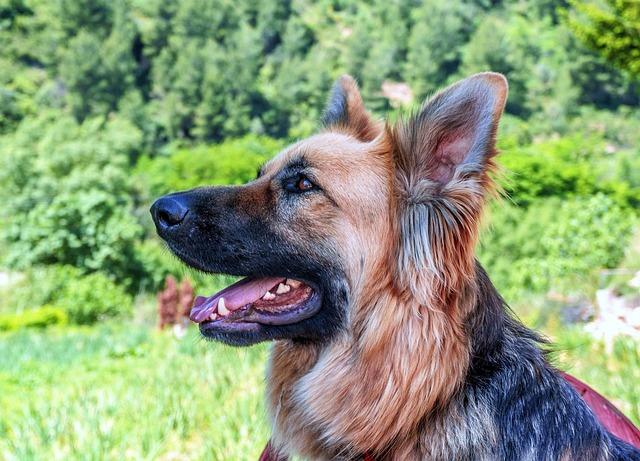
In the world of dog ownership, the art of training often dances delicately between discipline and reward. As puppies grow into adult dogs, the question of how best to encourage and maintain obedience becomes a subject of both curiosity and debate. One particular quandary that often emerges is whether treats should continue to play a role in reinforcing basic obedience in adult dogs. Are these tasty morsels a vital tool in the ongoing dialogue between owner and pet, or do they risk transforming into a crutch that undermines genuine respect and understanding? This article delves into the nuances of this topic, exploring the perspectives of trainers, pet owners, and canine behaviorists to uncover the balance between motivation and mastery in the realm of dog obedience.
The Psychology Behind Reward-Based Training in Adult Dogs
The intricate dynamics of reward-based training tap into fundamental psychological principles that resonate deeply with adult dogs. At the core, this method leverages the principle of positive reinforcement, a concept that emphasizes rewarding desirable behaviors to encourage their repetition. By understanding the motivations and natural inclinations of dogs, we can harness this approach to effectively instill obedience and strengthen the human-canine bond. Dogs, much like humans, thrive on recognition and appreciation, making rewards an integral part of their learning process.
- Associative Learning: Dogs are adept at forming associations between actions and outcomes. When a command is followed by a reward, the dog links the behavior to a positive consequence.
- Motivation and Engagement: Treats serve as tangible incentives that keep dogs motivated and engaged, reducing the likelihood of distraction or disinterest during training sessions.
- Consistency and Clarity: Offering rewards for specific actions provides clarity, helping dogs understand exactly which behaviors are expected and appreciated.
In essence, the psychology of reward-based training lies in its ability to communicate expectations clearly while fostering a nurturing and encouraging environment. This method not only enhances obedience but also nurtures a trusting relationship built on mutual respect and understanding.

Balancing Treats and Praise: Finding the Right Motivation
In the world of dog training, finding the right balance between treats and praise is crucial to fostering motivation in adult dogs. While treats can be an effective tool, especially for basic obedience, over-reliance can lead to dependency and diminish intrinsic motivation. To strike a harmonious balance, consider integrating a variety of motivational techniques.
- Verbal Praise: Words of encouragement can go a long way. Dogs often respond positively to a cheerful tone.
- Physical Affection: A gentle pat or a belly rub can reinforce positive behavior.
- Playtime: Incorporate short play sessions as a reward, offering both mental and physical stimulation.
By mixing these methods with occasional treats, you can maintain your dog’s interest and enthusiasm, ensuring obedience is both a rewarding and enriching experience for your furry friend.
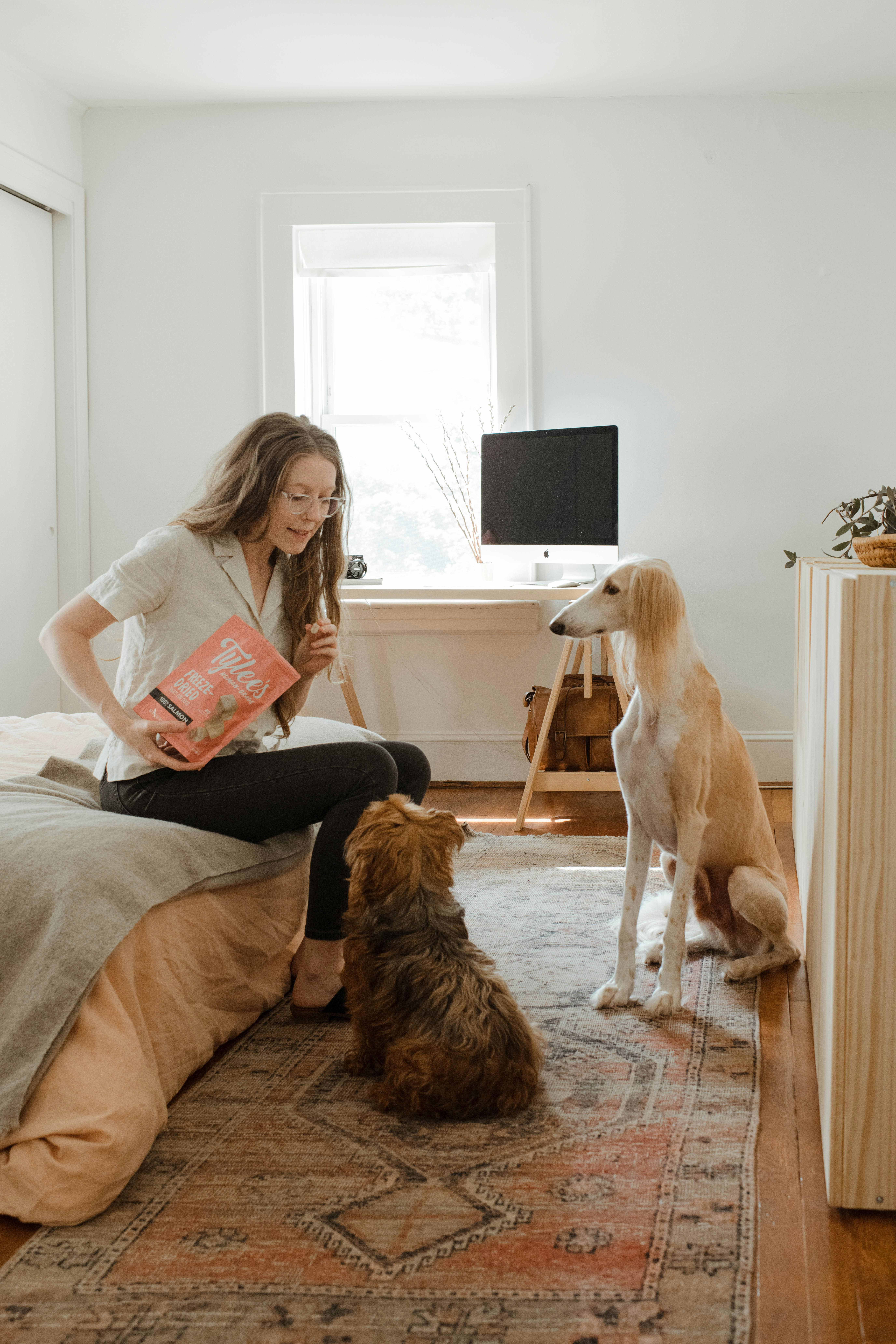
When to Wean Off Treats: Signs Your Dog is Ready
As your dog matures, you might notice subtle cues indicating it’s time to reduce treat dependency for basic obedience. Increased focus and responsiveness during training sessions, even without treats, is a clear sign. Your dog may also start responding to commands with enthusiasm and consistency, driven by the desire to please you rather than the lure of a treat.
Observe if your dog maintains good behavior over extended periods and in varied environments. This indicates a solid understanding of the commands and suggests they are ready to graduate from treat-based incentives. Additionally, if your dog seems to lose interest in treats or becomes more motivated by praise, play, or other forms of affection, it might be the right moment to transition away from using treats for basic commands. Remember, every dog is unique, so it’s essential to tailor your approach based on their individual progress and needs.

Alternatives to Treats: Keeping Your Dog Engaged and Obedient
- Interactive Toys: Invest in puzzle toys or treat-dispensing balls that challenge your dog’s mind. These toys not only entertain but also promote problem-solving skills, keeping your dog mentally sharp.
- Playtime Rewards: Use play as a reward by engaging your dog in a game of fetch or tug-of-war. This not only reinforces positive behavior but also strengthens your bond through shared activities.
- Verbal Praise: Sometimes, a simple “good dog” with an enthusiastic tone can work wonders. Dogs thrive on positive reinforcement, and your excitement can be just as rewarding as a treat.
- Physical Affection: Petting, belly rubs, or a gentle scratch behind the ears can be powerful motivators. These gestures of love and attention can communicate your approval effectively.
- Training Sessions: Incorporate short, fun training sessions that focus on new tricks or commands. This keeps your dog engaged, mentally stimulated, and continually learning.
By diversifying your reward system, you not only maintain your dog’s interest but also foster a more holistic approach to obedience. These alternatives ensure that your dog remains happy and motivated without becoming overly reliant on treats. Plus, they offer a variety of ways to nurture the special bond you share with your furry friend.