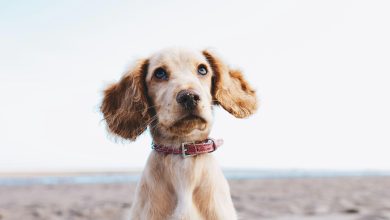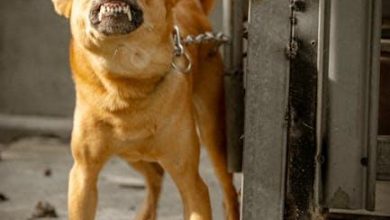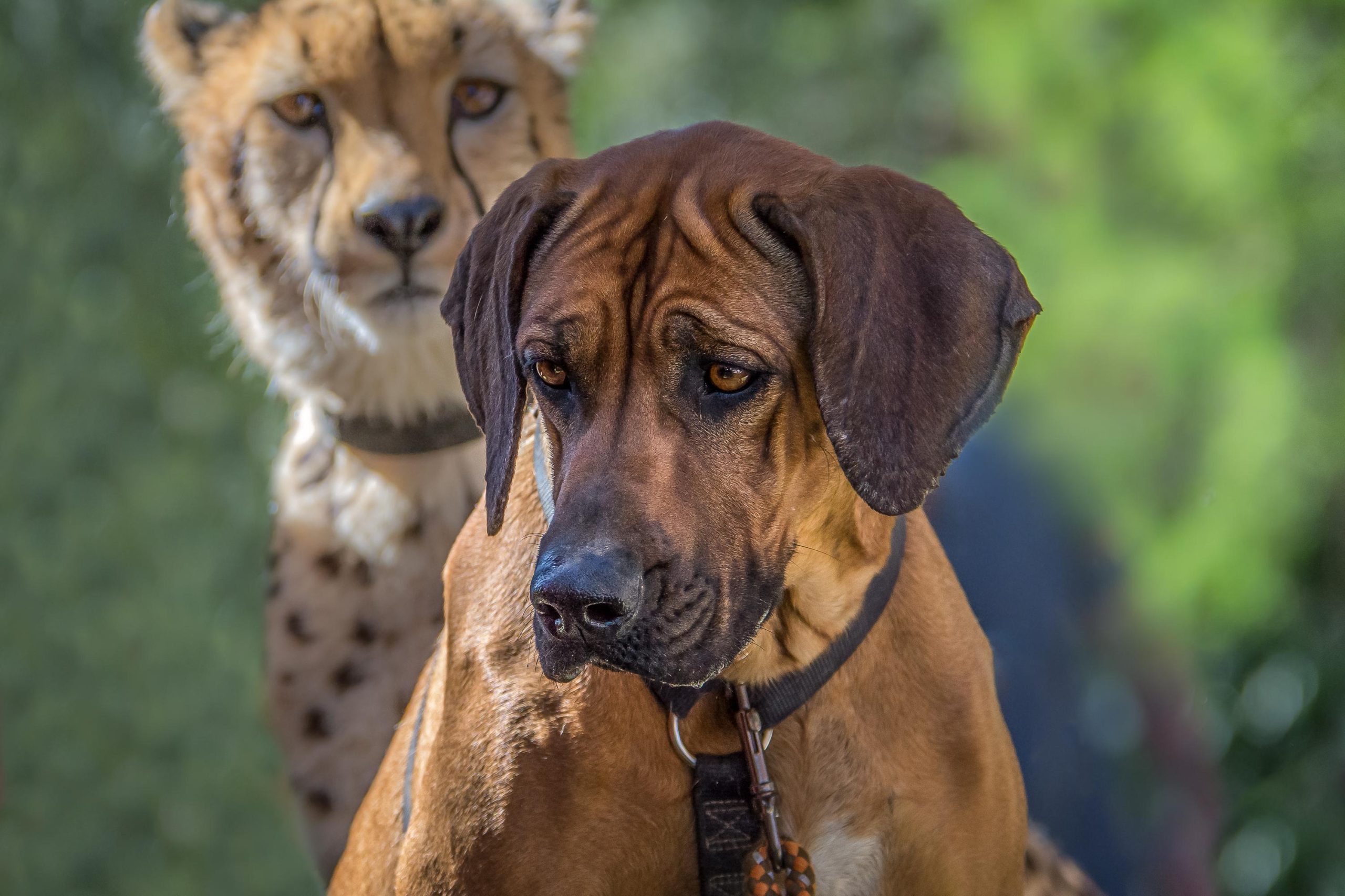
In the bustling heart of our modern cities, where the symphony of urban life unfolds, lies an often-overlooked challenge for dog owners: the art of socializing their furry companions amidst the chaos. As we navigate crowded sidewalks, vibrant parks, and lively street markets, our canine friends are thrust into a whirlwind of sights, sounds, and scents that can be both exhilarating and overwhelming. Successfully guiding them through this sensory maze requires more than just a leash and collar; it demands patience, understanding, and a touch of creativity. In this article, we explore the best methods for socializing your dog in busy public spaces, ensuring that every outing becomes a harmonious adventure for both pet and owner. Whether you’re a seasoned dog parent or a first-time pup guardian, these strategies will equip you with the tools to nurture confidence and calmness in your four-legged friend, transforming the urban landscape into a playground of possibilities.
Understanding Canine Behavior in Crowded Environments
When bringing your furry friend into bustling public spaces, understanding their behavior becomes essential to ensuring a positive experience for both you and your dog. Dogs, much like humans, can feel overwhelmed by the sensory overload present in crowded environments. Recognizing their body language is crucial. Look for signs of stress such as excessive panting, yawning, or a tucked tail. By identifying these signals early, you can take steps to comfort and reassure your dog, creating a more relaxed atmosphere.
Consider these methods to help your dog adjust to busy settings:
- Gradual Exposure: Start with less crowded places and slowly increase the level of activity as your dog becomes more comfortable.
- Positive Reinforcement: Reward calm behavior with treats or praise to build a positive association with the environment.
- Short, Frequent Trips: Regular, brief visits to crowded areas can help your dog become accustomed without feeling overwhelmed.
- Safe Space: Provide a designated area where your dog can retreat if they feel anxious, such as a pet carrier or a favorite blanket.
By implementing these strategies, you can foster confidence in your canine companion, ensuring that social outings become enjoyable adventures rather than stressful encounters.
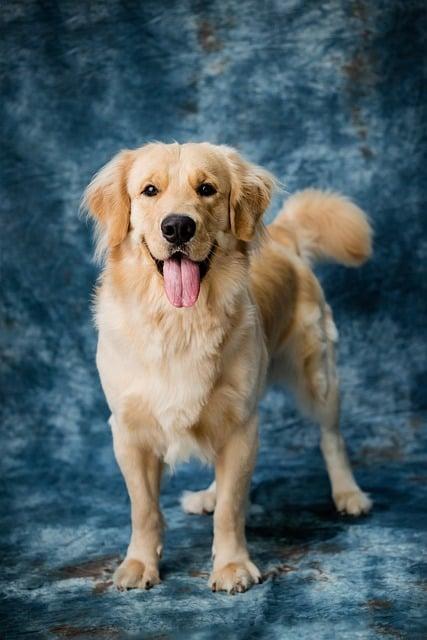
Crafting Positive Experiences with Gradual Exposure
When introducing your dog to bustling environments, patience and gradual exposure are key to building their confidence. Start by choosing less crowded areas, such as a quiet park or an early morning visit to a usually busy street. Allow your furry friend to observe from a distance where they feel comfortable, gradually moving closer as they become more at ease. It’s crucial to maintain a relaxed demeanor during these outings, as dogs often mirror our emotions. Reward your pup with treats and praise when they show calm behavior, reinforcing positive associations with these new experiences.
- Start small: Begin with short trips and increase the duration as your dog becomes more accustomed.
- Use distractions: Bring their favorite toy or treat to divert attention from overwhelming stimuli.
- Watch for signs of stress: Look out for yawning, lip licking, or avoidance behaviors and adjust your approach accordingly.
- Consistency is key: Regular exposure in a controlled manner helps to normalize the experience.
By gradually introducing your dog to new settings, you help foster a sense of security and trust, paving the way for a well-socialized and happy companion. With time, your dog will learn to navigate busy public spaces with ease and enjoyment.
Harnessing the Power of Training Tools and Techniques
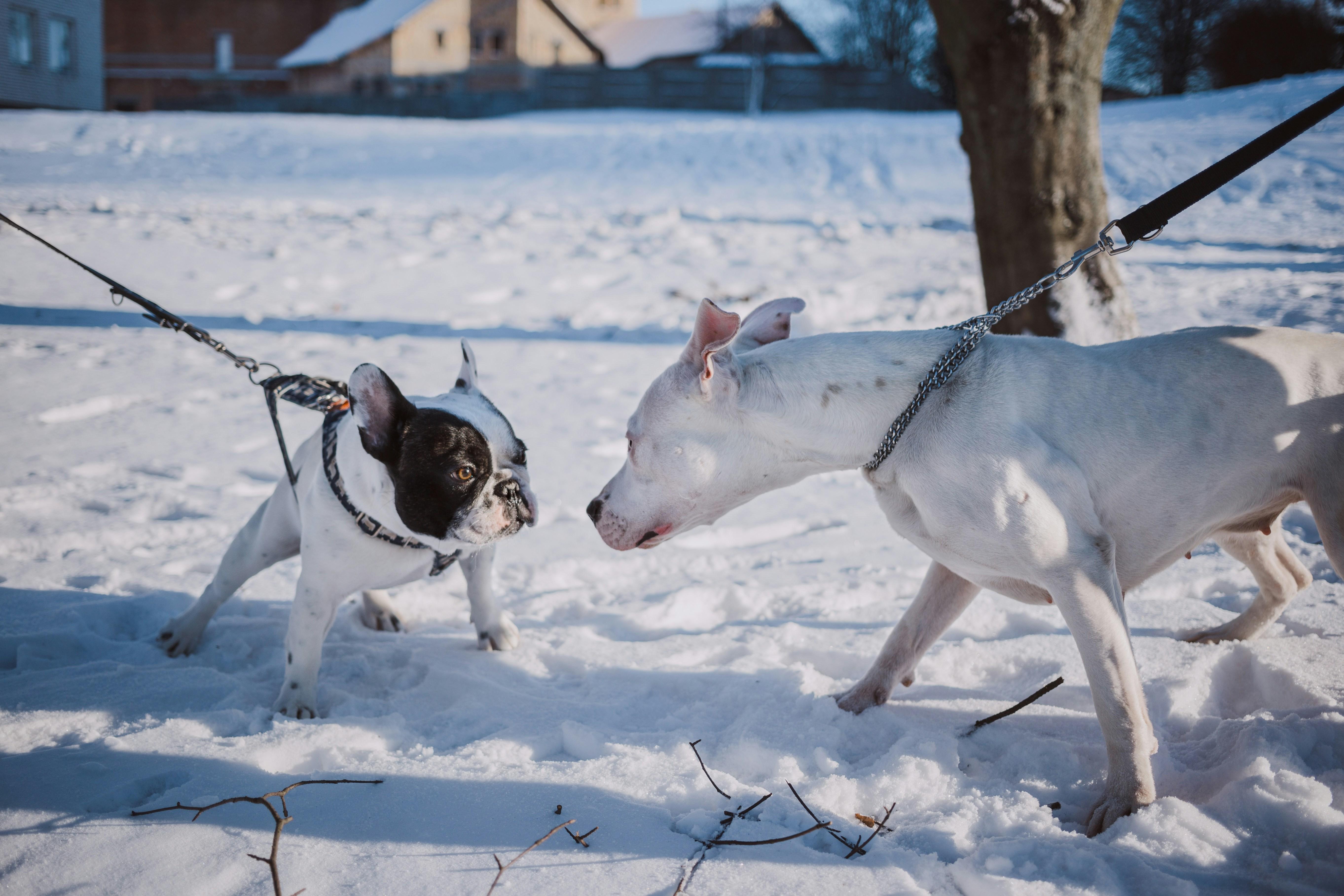
Incorporating effective training tools and techniques can significantly enhance your dog’s socialization experience in bustling public spaces. To begin, consider using clickers or treats as positive reinforcement tools. These can help reinforce desired behaviors, such as calmness and attentiveness, amidst the distractions of a crowded environment. Leash training is also crucial; a well-trained dog on a leash can be guided smoothly through busy streets, ensuring both safety and confidence for you and your furry friend.
- Clickers: A handy tool for immediate positive feedback.
- Treats: Use them strategically to reward calm behavior.
- Leash Training: Essential for managing your dog’s movement and reactions.
Additionally, integrating exposure techniques into your routine can further aid in socialization. Gradually introduce your dog to various stimuli such as traffic noises, pedestrian commotion, and other dogs. This gradual exposure helps build resilience and adaptability. By combining these tools and techniques, you not only promote better behavior but also foster a more enjoyable and harmonious experience for your dog in lively public settings.
Building Confidence Through Consistent Social Interactions
To nurture your dog’s self-assurance, it’s essential to engage them in regular and varied social experiences. Busy public spaces, bustling with diverse stimuli, offer an excellent opportunity for your furry friend to develop poise and adaptability. Begin by introducing your dog to different environments, ensuring that each outing is a positive and rewarding experience. Gradually increase the complexity of the settings, allowing your dog to acclimate to new sights, sounds, and smells at their own pace.
- Short and Frequent Outings: Start with brief visits to busy areas and slowly extend the duration as your dog becomes more comfortable.
- Positive Reinforcement: Reward calm and confident behavior with treats and praise to reinforce positive associations.
- Engagement Activities: Incorporate interactive games and commands to keep your dog focused and responsive.
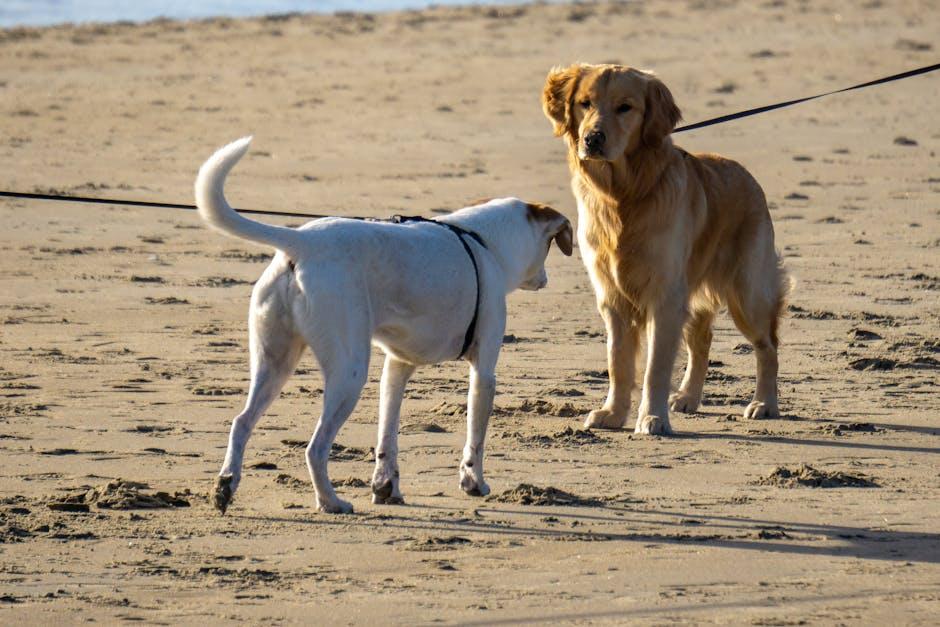
- Social Circles: Introduce your dog to well-behaved canine companions to build their social skills.
Consistency is key; by regularly exposing your dog to these bustling environments, you cultivate resilience and confidence, transforming them into a well-adjusted companion ready to tackle any social scenario.