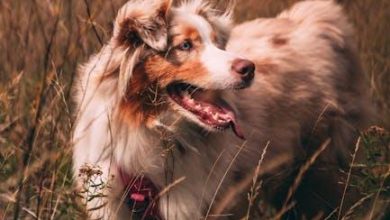
In the bustling world of wagging tails and curious sniffs, introducing your dog to new canine companions can be a delicate dance of diplomacy. Just like humans, dogs have their own personalities, preferences, and boundaries, making every encounter a unique experience. Whether you’re at the local park or on a neighborhood stroll, ensuring these introductions go smoothly is key to fostering harmony and preventing potential conflicts. In this guide, we’ll explore the art and science of dog-to-dog introductions, offering practical tips and insights to help you navigate these social interactions with confidence and ease. Join us as we delve into the world of canine communication, where understanding and patience pave the way for friendships to blossom.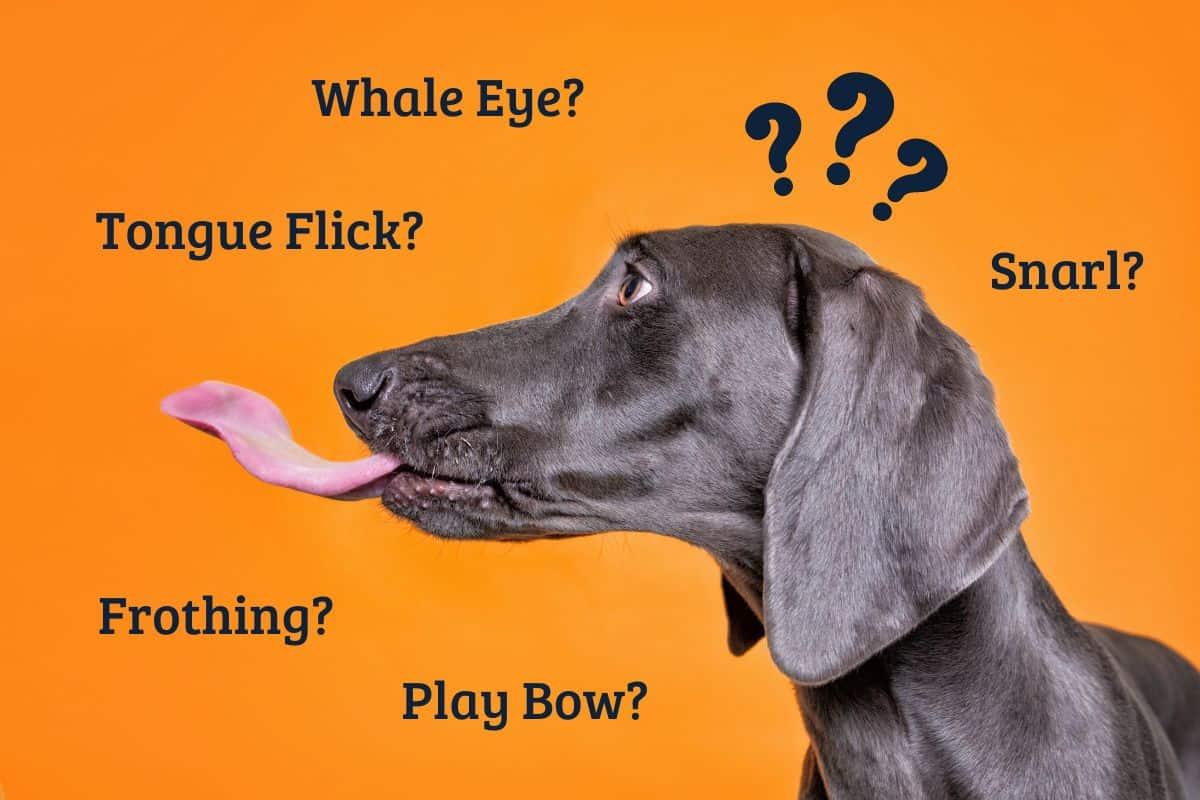
Understanding Canine Communication: The Key to Peaceful Introductions
Interpreting the subtle signals dogs use to communicate is essential for ensuring harmonious interactions. Dogs rely heavily on body language to express their feelings, and understanding these cues can prevent misunderstandings that lead to conflict. Watch for signs of stress or discomfort, such as tucked tails, flattened ears, or lip licking. These may indicate that a dog is not ready for close interaction. Conversely, relaxed postures, wagging tails, and playful bows suggest a dog is open to socializing.
When facilitating introductions, it’s crucial to set the stage for a positive experience. Consider the following tips to enhance understanding between dogs:
- Neutral Territory: Choose a neutral location for the first meeting to avoid territorial disputes.
- Parallel Walks: Begin with parallel walks, allowing the dogs to observe each other without direct contact.
- Controlled Leash: Keep leashes loose to prevent tension, but maintain control to quickly intervene if necessary.
- Positive Reinforcement: Reward calm behavior with treats and praise, reinforcing positive interactions.
By attuning to canine communication and setting the right environment, you can pave the way for peaceful introductions and lasting friendships.
Creating Positive First Impressions: Setting the Stage for Success
When introducing your dog to others, it’s essential to craft an environment that fosters calm and curiosity. Begin by choosing a neutral location that neither dog considers its territory, such as a park or open field. This helps to avoid territorial behavior and sets the tone for a positive interaction. Ensure both dogs are on leashes to maintain control while allowing enough slack for them to approach each other naturally. Pay attention to their body language—look for signs of relaxation like wagging tails or playful bows, which indicate readiness to interact.
- Allow Sniffing: Let them sniff each other briefly to gather information, but be ready to separate them if either dog appears uncomfortable.
- Reward Calm Behavior: Use treats or praise to reward calm and non-aggressive behavior. This reinforces the idea that being relaxed around other dogs leads to positive outcomes.
- Short Sessions: Keep initial meetings brief to prevent overstimulation. Gradually increase the time they spend together as they become more comfortable.
Remember, every dog is unique, so what works for one might not work for another. Stay patient and attentive, ready to adapt your approach to suit the needs of both dogs involved. Creating these positive first impressions will pave the way for successful interactions in the future.
Mastering the Art of Leash Handling: A Guide to Controlled Interactions
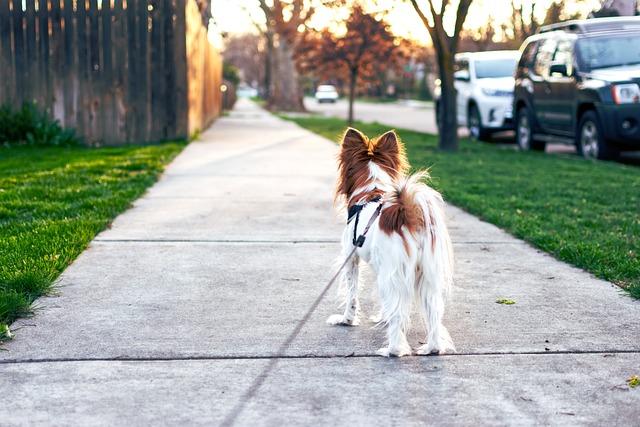
Walking your dog can be a delightful experience, but it often turns challenging when encountering other dogs. To ensure a smooth interaction, mastering the art of leash handling is essential. A controlled grip on the leash can make all the difference in maintaining peace during these introductions. Focus on keeping your leash relaxed yet secure, allowing your dog some freedom while still maintaining control. A tight leash can convey tension and anxiety, which might be picked up by your dog, so it’s important to stay calm and composed.
Consider these tips for managing your dog’s interactions with others:
- Practice obedience commands like sit, stay, and leave it, to keep your dog focused.
- Observe body language to gauge comfort levels of both dogs involved.
- Use positive reinforcement by rewarding calm behavior with treats or praise.
- Keep introductions brief to avoid overwhelming your dog or the other party.
By employing these techniques, you’ll foster a more relaxed and controlled environment, allowing for enjoyable and conflict-free interactions.
Reading the Signs: How to Recognize and Respond to Canine Body Language
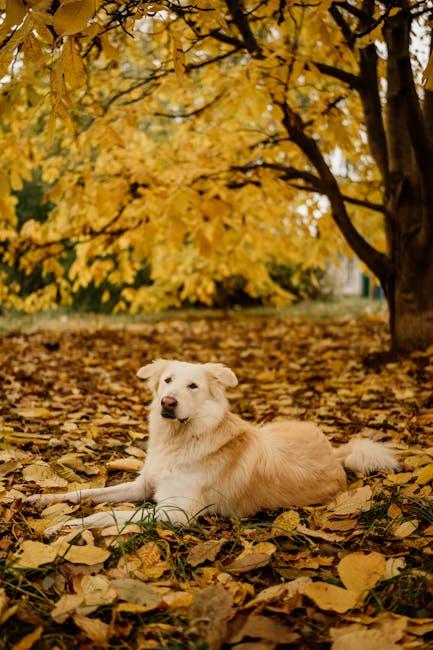
Understanding canine body language is crucial when introducing your dog to new furry friends. Dogs communicate primarily through body language, and being able to read these signals can prevent potential conflicts. Pay attention to your dog’s posture: a relaxed body, wagging tail, and open mouth often indicate a willingness to engage. On the other hand, a stiff body, closed mouth, and raised hackles can be signs of stress or aggression.
When your dog is meeting another for the first time, look for the following signals to gauge their comfort level:
- Play bows: A dog lowering its front legs while keeping its rear up is inviting the other to play.
- Soft eyes and ears: Relaxed eyes and ears usually mean your dog is calm and friendly.
- Curved body posture: A curved approach rather than a direct head-on meeting is less confrontational.
By understanding these cues, you can intervene early to redirect or manage interactions, ensuring a positive experience for both dogs.